2026.05.26
 Blog
Blog
Content
The integrity of high-fidelity electronic assemblies, printed circuit boards, and optical interfaces depends heavily on surface cleanliness. Contaminants such as skin oils, flux residues, dust, and environmental grime can create parasitic conductive paths, alter signal impedance, or cause catastrophic components failure. While standard consumer or generic industrial wipes are suitable for mechanical components, they pose severe risks to delicate electronic architecture.
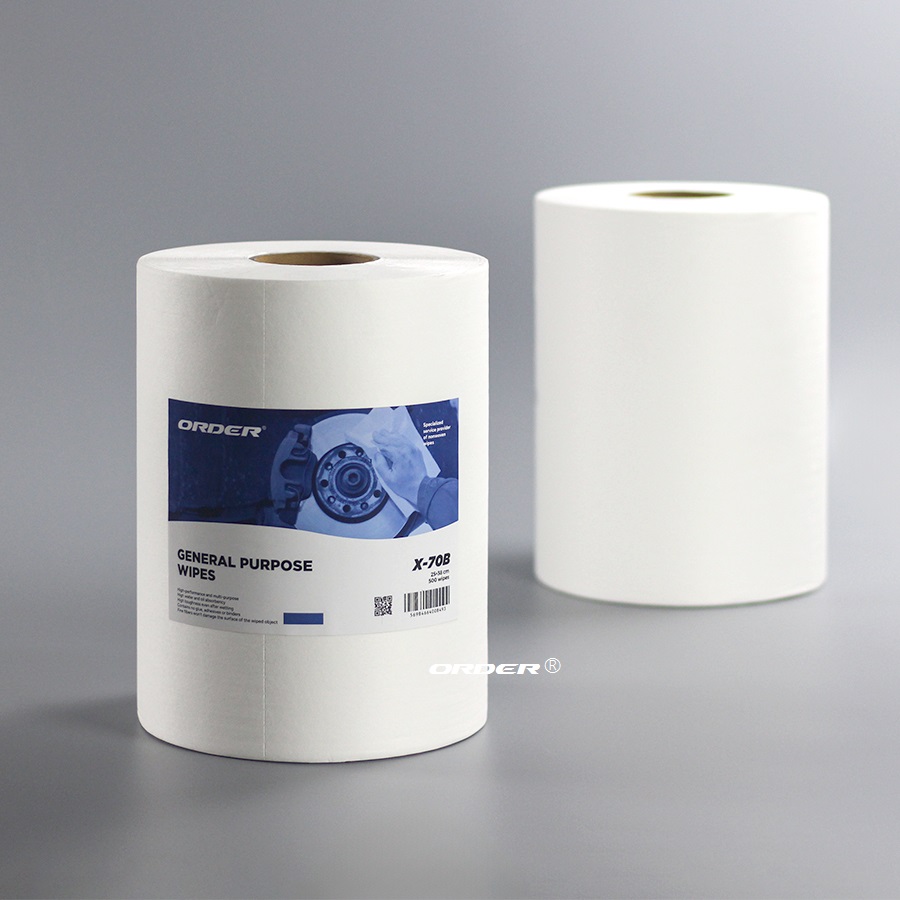
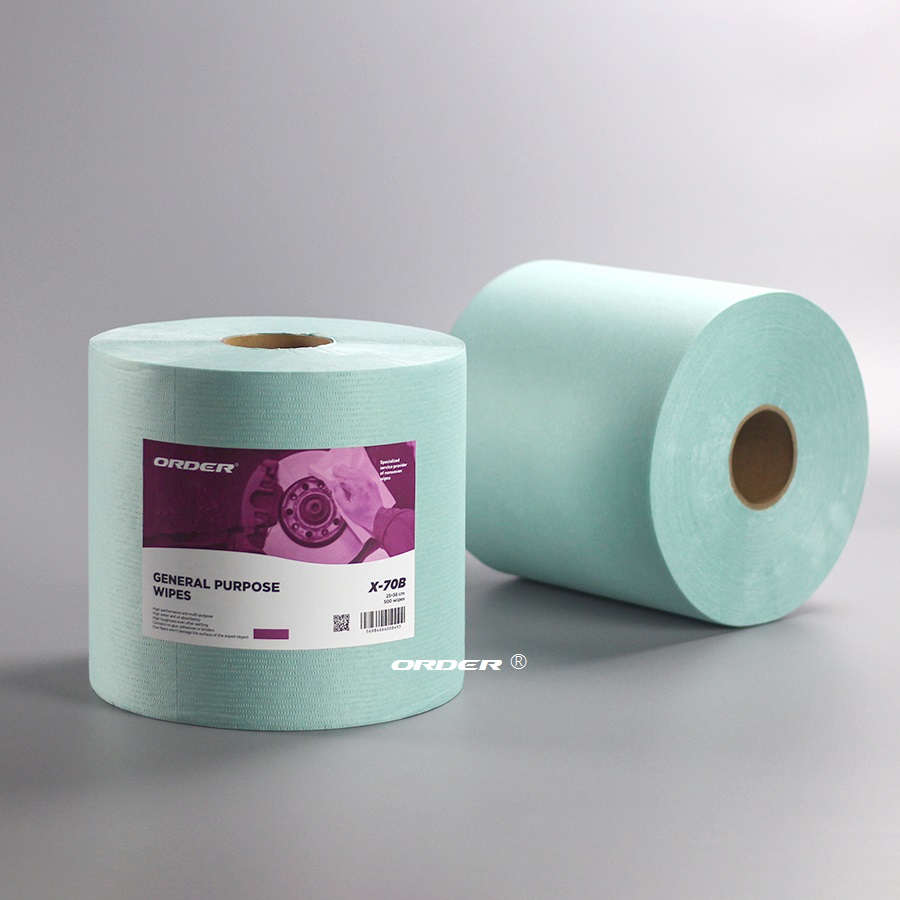
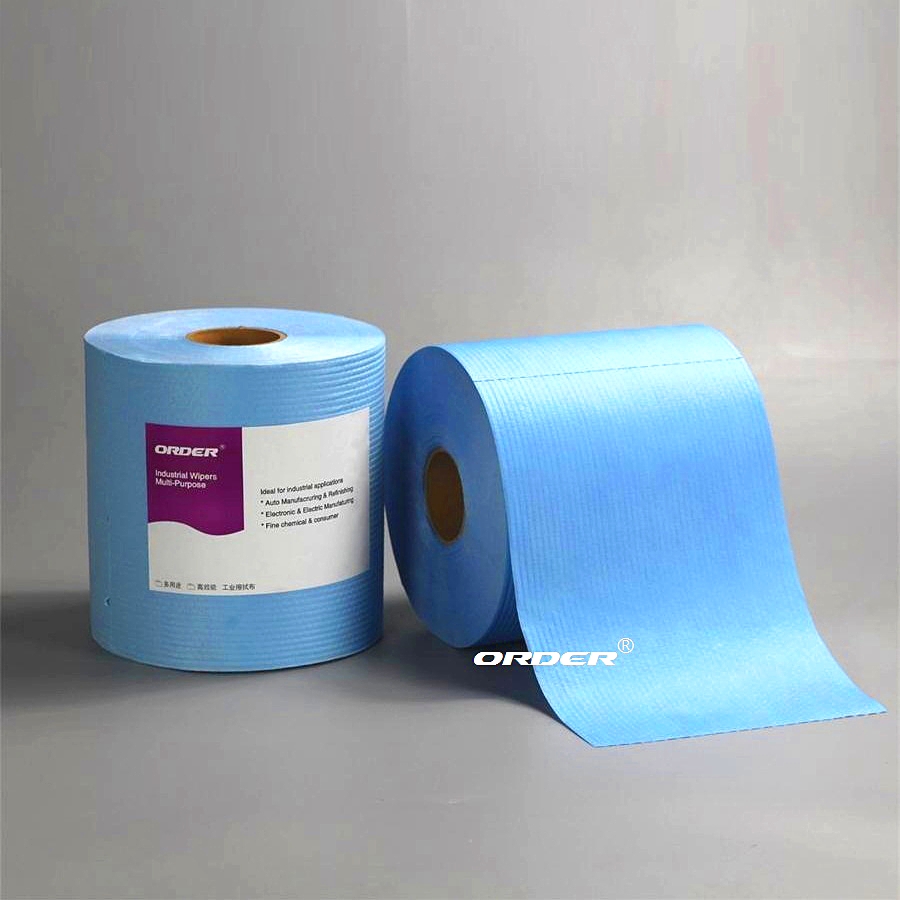
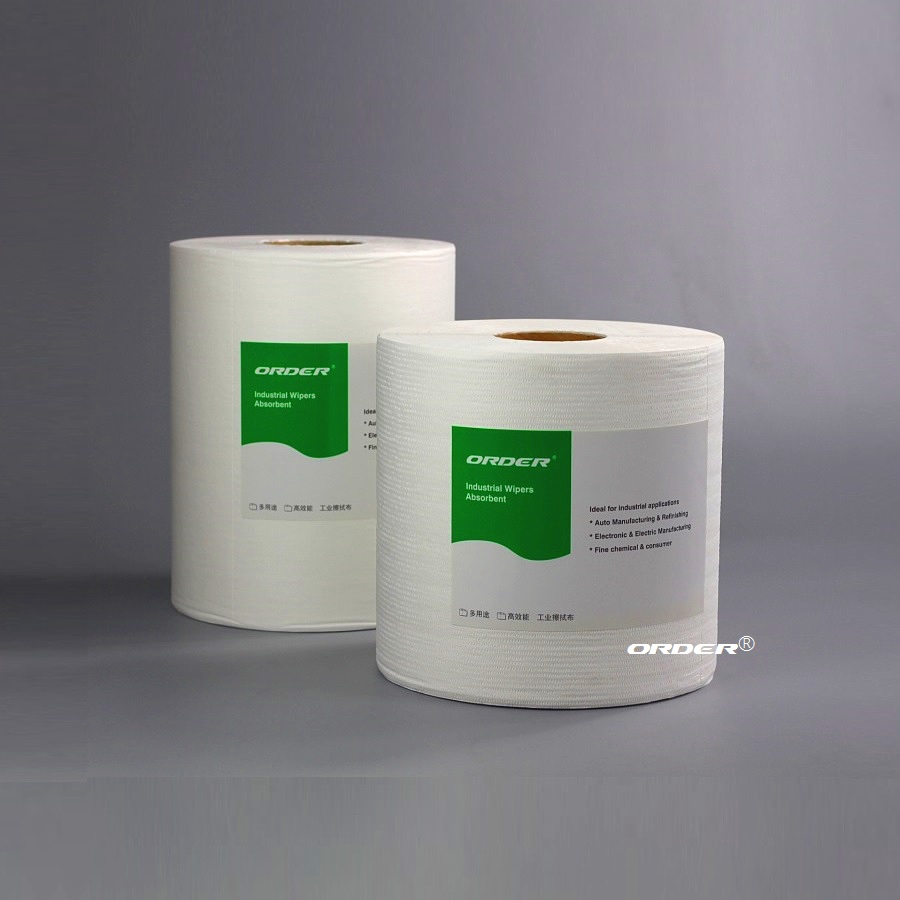
Using specialized materials within the Electronic Cleaning Wipe product line ensures complete surface decontamination without introducing physical or chemical hazards. This comprehensive guide analyzes the material engineering, chemical solvent parameters, and electrostatic behaviors that differentiate industrial-grade electronic wipes from general-purpose alternatives.
The primary physical performance metric of an industrial wipe is its particle generation rate. Standard wipes, often composed of recycled cellulose, cotton, or low-grade spunbond polypropylene, feature short fibers that easily fracture under mechanical friction. When used on sharp solder joints, component leads, or integrated circuit pins, these standard fibers catch, tear, and tear apart, leaving behind microscopic lint. These fibers trap moisture and airborne particles, creating micro-environments that promote corrosion and electrical tracking.
In contrast, high-tier electronic cleaning wipes utilize continuous-filament synthetic polymers or precision-engineered hydroentangled blends. The two most prominent material choices include:
The liquid formulation pre-saturated within an electronic cleaning wipe must balance effective contaminant dissolution with material safety. Generic cleaning wipes frequently contain surfactants, fragrances, and high water concentrations that are highly damaging to electronic components. Surfactants leave behind a non-volatile conductive film after drying, which degrades insulation resistance, while fragrance oils can attract airborne dust.
Professional electronic wipes utilize high-purity industrial solvents designed to evaporate rapidly without leaving any solid residues. The standard carrier chemical is Isopropyl Alcohol, but the concentration level must match the specific operational environment.
Using the correct ratio of solvent to water is critical for cleaning efficiency and protecting delicate electronics. The table below illustrates the functional differences between the two primary saturation standards used in professional electronic maintenance:
| Solvent Composition | Evaporation Speed | Major Industrial Applications | Structural Material Compatibility |
|---|---|---|---|
| 99 Percent Isopropyl Alcohol | Ultra-Fast | Printed circuit board flux removal, post-solder rework, high-voltage contact cleaning, and optical fiber splicing. | Excellent for most metals, glass, and solvent-resistant engineering plastics like PBT and PE. |
| 70 Percent Isopropyl Alcohol / 30 Percent Deionized Water | Moderate | Touchscreens, human-machine interface panels, diagnostic medical electronics housing, and cleanroom tool wiping. | Safest option for sensitive display polymers, acrylics, and polycarbonates; minimizes stress cracking risk. |
The inclusion of 30 percent deionized water in the second category is intentional. Water serves as a critical polar solvent that dissolves inorganic salts, fingerprints, and hydrophilic dirt that pure alcohol cannot efficiently dissolve. Furthermore, the water content slows down the evaporation rate, keeping the wipe wet longer so it can cover larger surfaces on large touchscreens or equipment enclosures. Conversely, internal electronics require a 99 percent pure formulation to ensure no residual water remains trapped beneath surface-mount components, which could cause short circuits upon system power-up.
Moving a dry non-conductive fabric across an insulated plastic housing or circuit board creates friction that can generate thousands of volts of static electricity. This triboelectric charging poses a severe threat to complementary metal-oxide-semiconductor devices, field-effect transistors, and microprocessors. An electrostatic discharge event can instantly melt internal microscopic circuits or cause subtle latencies that lead to system failure out in the field.
Standard consumer wipes act as electrical insulators, retaining static charges on the wiped surface for long periods. Specialized electronic cleaning wipes mitigate this risk through two distinct technical methods:
Cleaning a surface effectively requires both dissolving the contaminant and lifting it away from the substrate. If a wipe lacks sufficient retention capabilities, it simply redistributes the liquefied oils and flux across the component surface, a flaw common in thin, low-density standard wipes.
The performance of an electronic cleaning wipe depends on its basis weight, measured in grams per square meter, and its internal capillary structure. High-density hydroentangled poly-cellulose fabrics create a complex web of micro-pockets that trap particulates and draw liquids deep into the wipe core.
When cleaning rosin-based or water-soluble flux residues after wave soldering, the fabric must hold onto the dissolved sticky residue. This prevents it from transferring back onto the clean areas of the circuit board, ensuring the surface meets IPC cleanliness standards.
Industrial electronic devices often feature sensitive exterior components, including anti-reflective display coatings, soft polymer optical lenses, and thin-film precious metal plating on contact pads. Coarse fiber structures or wood-pulp materials found in utility paper wipes can scratch these delicate surfaces, causing micro-abrasions that scatter light, distort display readouts, and degrade optical transmission signals.
Specialized electronic cleaning wipes undergo proprietary finishing processes, such as continuous-filament water-jet needle punching, to ensure a smooth, soft texture. This structural design ensures that the fabric can apply uniform mechanical pressure to dislodge stubborn grime without scratching soft plastic substrates or delicate anti-glare filters.
To ensure optimal performance and material safety, electronic cleaning wipes are tailored to specific operational environments and production stages:
The structural and chemical differences across various wipe types can be summarized by key performance metrics. The table below compares specialized industrial electronic cleaning wipes against standard utility options:
| Performance Metric | Specialized Polyester Wipe | Hydroentangled Poly-Cellulose Wipe | Standard Utility Paper Wipe | Consumer Wet Wipe |
|---|---|---|---|---|
| Fiber Material | 100 Percent Continuous Polyester | 55 Percent Cellulose / 45 Percent Polyester | Raw Wood Pulp / Recycled Fibers | Spunlace Nonwoven Polypropylene |
| Lint Generation | Extremely Low | Minimal | High | Moderate |
| Chemical Additives | None | None | Bleaching Agents / Binders | Surfactants / Fragrances |
| Solvent Option | Custom Dry or Pre-Saturated | Custom Dry or Pre-Saturated | None (Dry Only) | Aqueous Soap Solutions |
| ESD Safety | High (When wet or treated) | High (Excellent solvent hold) | Low (Insulating) | Variable (Risk of water film) |
| Abrasion Risk | Non-Abrasion | Non-Abrasion | High Abrasion | Low-Medium Abrasion |
Selecting the correct electronic cleaning wipe requires balancing fabric architecture, solvent purity, and the specific needs of the component being cleaned. For internal circuit boards, delicate optical paths, and high-frequency communication switches, 99 percent isopropyl alcohol paired with a continuous-filament polyester wipe is the industry standard to prevent lint contamination and residual water damage. For external user interfaces, touchscreens, and rugged control enclosures, a hydroentangled poly-cellulose wipe saturated with 70 percent isopropyl alcohol provides the necessary absorption, safety, and physical durability.
By prioritizing these material and chemical standards, manufacturing facilities and maintenance teams can eliminate static discharge events, prevent corrosion failures, and ensure the long-term reliability of industrial electronic systems.
Consumer glass wipes frequently contain chemical surfactants, synthetic fragrances, and high water concentrations. These ingredients leave behind a microscopic conductive film that can interfere with capacitive touch response. Additionally, the excess water can seep into bezel seals, causing internal corrosion and component failure. Industrial electronic cleaning wipes use pure alcohol and deionized water blends that evaporate completely without leaving any residue.
Internal electronic assemblies and printed circuit boards contain dense arrays of fine-pitch components where liquid can easily become trapped. A 99 percent isopropyl alcohol formulation evaporates almost instantly and contains less than 1 percent water, preventing moisture from getting trapped under components. A 70 percent alcohol wipe contains 30 percent water, which evaporates slowly and can cause localized oxidation or short circuits if the board is powered up too quickly.
When knitted polyester fabrics are cut mechanically, the yarn ends are severed, leaving loose, microscopic fiber fragments that can break away during wiping. Laser-sealing uses targeted thermal energy to melt and fuse the fabric edges. This locks the continuous-filament yarns in place and significantly reduces particle and lint generation during high-friction cleaning tasks.
Dry synthetic wipes can actually generate triboelectric static charges through friction if they are not specifically treated. To ensure safety from electrostatic discharge during dry cleaning, the wipe must be woven with specialized carbon conductive fibers or treated with static-dissipative compounds. Alternatively, using a pre-saturated wipe provides instant protection, as the liquid solvent layer helps conduct and safely dissipate static charges away from the component.
Hydroentangled poly-cellulose wipes feature excellent resistance to mild solvents like isopropyl alcohol and moderate hydrocarbons. However, acetone is a highly aggressive ketone that can soften or dissolve the polyester binders in the blend over time, and it can also damage many surrounding plastic components on a circuit board. For applications requiring aggressive solvents, a 100 percent pure knitted polyester or nylon wipe is recommended due to its superior chemical resistance.
If you are interested in our products, please consult us

 contact us


 English
 日本語
日本語
 简体中文
简体中文