2026.02.23
 Blog
Blog
Content
food service sanitizing wipes are specialized disposable wiping products designed for environments where food safety, hygiene control, and operational efficiency are critical. Unlike ordinary cleaning wipes, these products are formulated and manufactured to meet food service sanitation requirements, making them suitable for commercial kitchens, catering facilities, and restaurant back-of-house operations. Their primary purpose is not only to remove visible dirt but also to reduce microbial contamination on surfaces that may come into indirect or direct contact with food.
In professional food service settings, sanitizing wipes play a key role in daily hygiene management. They help ensure compliance with food safety standards while minimizing downtime between cleaning cycles. High-quality wipes are typically made from nonwoven fabrics, offering strong absorbency, controlled lint release, and consistent wiping performance across large surface areas. The use of disposable wipes also reduces cross-contamination risks compared with reusable cloths.
Modern food service operations increasingly favor wipes that combine safety, efficiency, and sustainability. Advanced manufacturing processes now allow for precise fiber selection and structure design, ensuring that wipes perform reliably under wet conditions and repeated use throughout busy service hours.
| Feature | Sanitizing Wipes | Ordinary Cleaning Cloths |
| Food safety suitability | High | Low to medium |
| Cross-contamination risk | Low | High |
Commercial kitchens operate under constant pressure, with high staff movement, frequent surface contact, and strict hygiene inspections. In this environment, food service sanitizing wipes for commercial kitchens provide a practical and reliable solution for maintaining cleanliness without disrupting workflow. Their ready-to-use format allows staff to quickly sanitize preparation tables, equipment handles, and service counters between tasks.
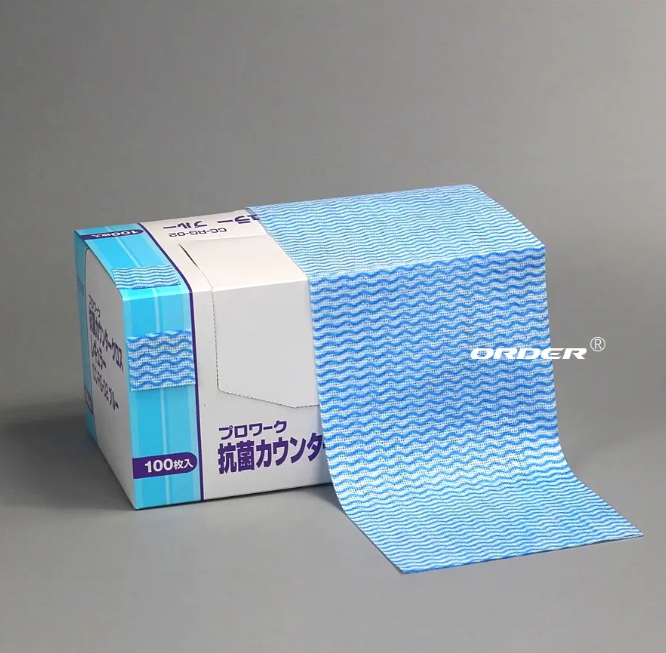
Time efficiency is another major factor. Unlike traditional cleaning methods that require mixing solutions and laundering cloths, disposable sanitizing wipes simplify procedures and reduce labor intensity. This operational advantage directly supports consistent hygiene practices, even during peak service hours.
Additionally, the standardized quality of professional wipes ensures predictable performance. Each wipe delivers uniform strength, moisture retention, and coverage, which helps food service operators implement repeatable cleaning protocols across different shifts and locations.
| Application Area | Cleaning Frequency | Recommended Wipe Type |
| Preparation tables | High | High-absorbency wipes |
| Equipment handles | Medium | Low-lint wipes |
Safety is one of the most searched concerns related to food service sanitizing wipes safe for food contact surfaces. Professional-grade wipes are designed to minimize residue transfer and fiber shedding, making them suitable for surfaces that may come into contact with food after proper use. The use of controlled nonwoven structures helps ensure surface cleanliness without introducing foreign contaminants.
Many food service operations prioritize wipes that meet recognized sanitation and material safety benchmarks. These wipes are engineered to maintain structural integrity when wet and to release cleaning agents evenly across surfaces. This controlled performance supports both safety compliance and operational reliability.
Choosing wipes designed specifically for food service use helps reduce risks associated with chemical residues, lint contamination, and inconsistent cleaning outcomes.
| Safety Factor | Professional Wipes | General Wipes |
| Residue control | Controlled | Uncertain |
| Lint release | Low | Variable |
For restaurants and catering operations, purchasing disposable food service sanitizing wipes bulk offers both economic and logistical advantages. Bulk supply ensures uninterrupted availability, which is essential for maintaining consistent hygiene standards across shifts and service locations. It also reduces per-unit costs, supporting long-term operational budgeting.
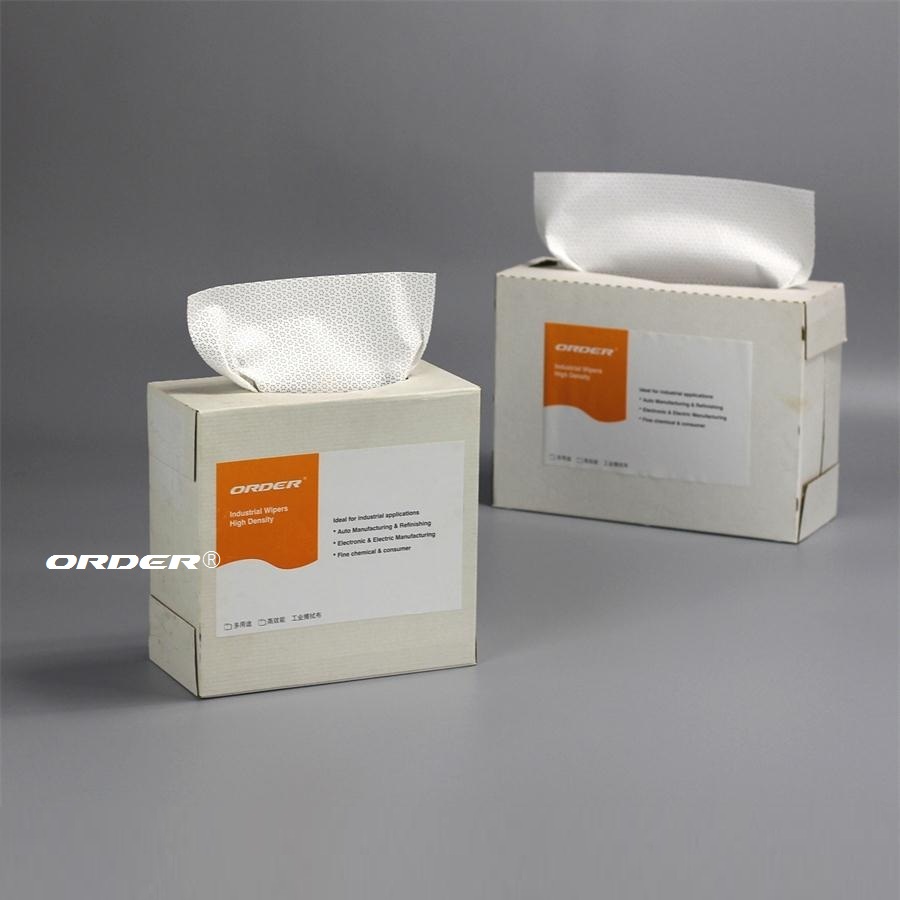
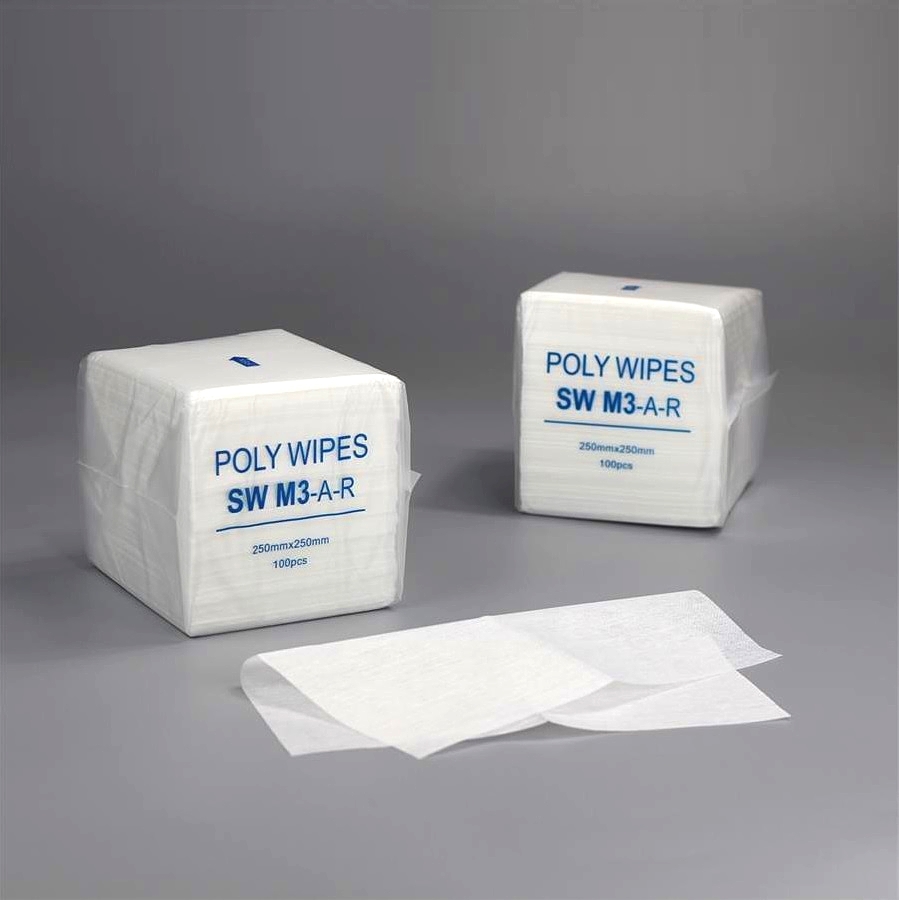
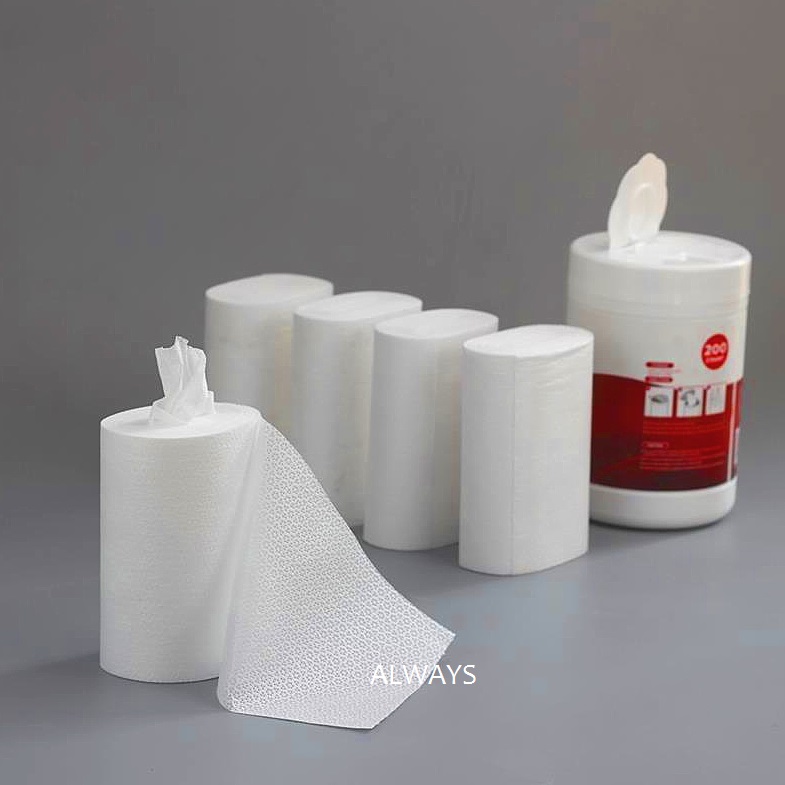
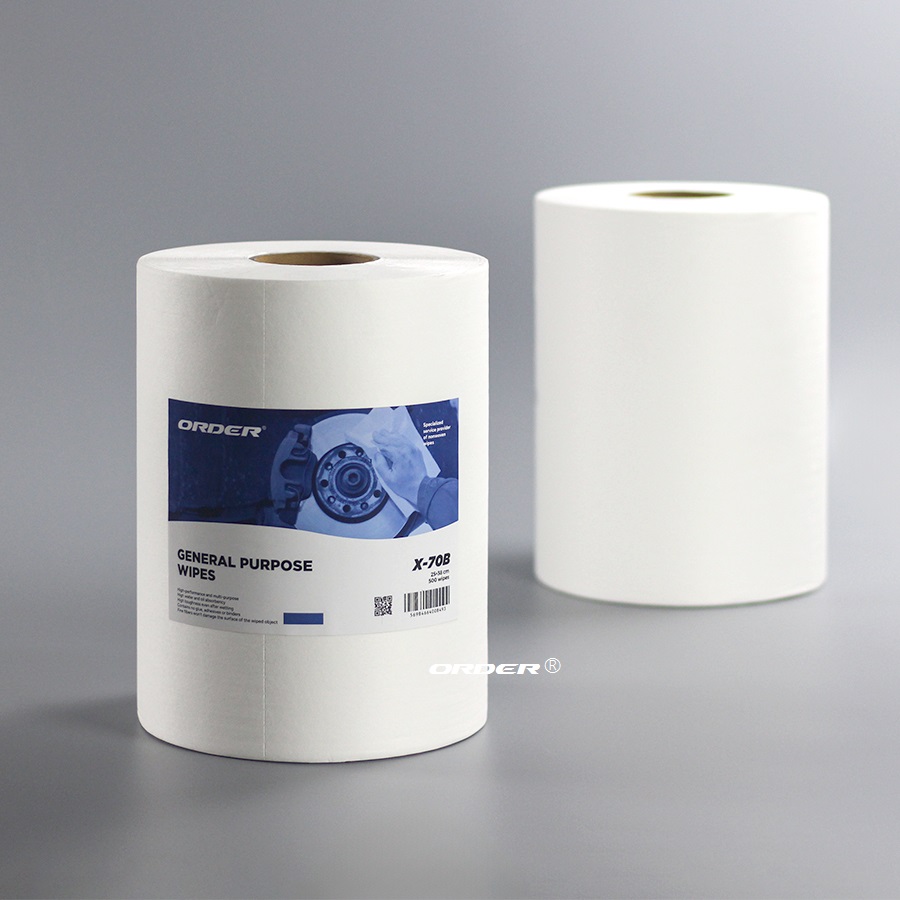
Bulk packaging options can be tailored to specific usage scenarios, such as pull-out packs for fast access or roll formats for high-consumption zones. These configurations help optimize storage efficiency and minimize waste.
By selecting bulk solutions designed for food service environments, operators gain better control over inventory management and sanitation planning.
| Packaging Type | Usage Scenario | Advantages |
| Roll | High-traffic kitchens | High efficiency |
| Folded packs | Service counters | Easy access |
Advanced manufacturers specializing in nonwoven wiping products offer customized solutions for food service sanitizing wipes for restaurants. With decades of industry experience, technology-driven production systems enable precise control over fiber selection, wipe thickness, absorbency, and packaging formats.
Modern production bases equipped with clean workshops, intelligent equipment, and digital quality management systems ensure full-process quality control from raw materials to finished products. This level of control supports stable performance and consistent product quality for food service clients worldwide.
Customization services also allow food service operators to adapt wipe specifications to local regulations, usage habits, and sustainability goals.
| Customization Area | Options |
| Wipe format | Flat, folded, rolled |
| Packaging | Size and material customization |
NSF approved food service sanitizing wipes indicate that the materials and performance characteristics meet recognized sanitation and safety requirements. These approvals help food service operators demonstrate compliance during inspections and ensure safer surface sanitation practices.
Sanitizing wipes are designed to complement, not fully replace, deep cleaning procedures. They are ideal for routine surface sanitation between tasks and during service hours, helping maintain hygiene consistency throughout the day.
Frequency depends on usage intensity and local food safety guidelines. In high-traffic kitchens, wiping surfaces multiple times per hour is common practice to reduce contamination risks.
If you are interested in our products, please consult us

 contact us


 English
 日本語
日本語
 简体中文
简体中文