2025.11.20
 Blog
Blog
Content
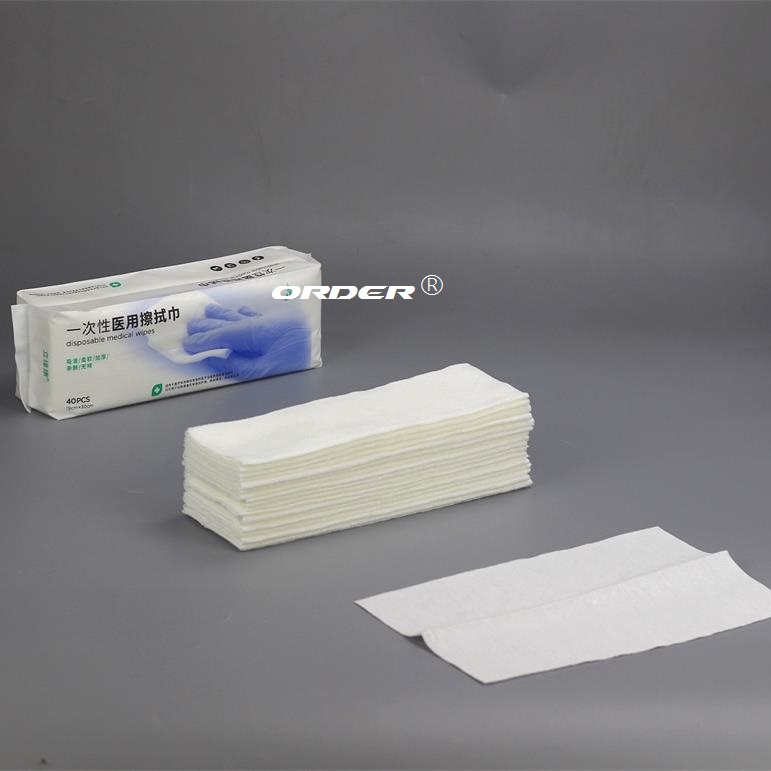
Selecting appropriate MEDICAL CLEANING WIPES is critical for infection control, patient safety, and regulatory compliance in healthcare settings. These specialized wipes are engineered to meet stringent medical standards while effectively eliminating pathogens from surfaces and medical equipment. This comprehensive guide examines the key considerations for healthcare professionals seeking optimal wiping solutions that balance efficacy, safety, and practical application needs.
Medical cleaning wipes represent a sophisticated category of infection control products designed specifically for healthcare environments. Unlike conventional cleaning wipes, medical-grade products must demonstrate proven efficacy against healthcare-associated pathogens while maintaining compatibility with sensitive medical equipment and surfaces. These wipes undergo rigorous testing to validate their antimicrobial performance and material safety, ensuring they meet the unique demands of clinical settings where infection prevention is paramount.
When evaluating medical cleaning wipes, understanding the critical performance parameters ensures optimal selection for specific healthcare applications. The material composition, disinfectant formulation, and physical properties directly influence cleaning effectiveness, material compatibility, and user safety. A thorough assessment of these specifications helps healthcare facilities choose wipes that meet both clinical needs and operational requirements.
The substrate material of medical wipes significantly impacts their performance, compatibility, and user experience. Leading manufacturers like Suzhou Order Cleanroom Material Co., Ltd. utilize advanced nonwoven technologies that combine optimal absorbency with minimal linting characteristics. These specialized materials are engineered to maintain structural integrity when saturated with disinfectant solutions while ensuring consistent release of active ingredients during use.
| Material Type | Absorption Capacity | Lint Generation | Chemical Resistance |
| Spunlace Nonwoven | High | Very Low | Excellent |
| Airlaid Composite | Very High | Low | Good |
| Hydroentangled | Medium-High | Very Low | Excellent |
The antimicrobial efficacy of medical wipes depends on their active ingredients and formulation technology. Different disinfectant chemistries offer varying spectra of antimicrobial activity, contact times, and material compatibility. Understanding these differences enables healthcare facilities to select wipes appropriate for their specific infection control needs and surface types.
Medical cleaning wipes must comply with numerous regulatory standards that vary by region and application. Understanding these requirements is essential for ensuring patient safety and meeting healthcare accreditation standards. Compliance demonstrates that products have undergone rigorous testing for safety, efficacy, and quality.
Reputable manufacturers adhere to comprehensive quality management systems and obtain relevant certifications for medical device manufacturing. Suzhou Order Cleanroom Material Co., Ltd. maintains ISO 13485 certification for medical devices and produces wipes that comply with international standards including USP Class VI, ISO 10993 for biological evaluation, and relevant EPA and FDA regulations for disinfectants and medical devices.
Different healthcare settings present unique challenges that require specialized wiping solutions. Understanding these application-specific requirements ensures proper wipe selection for optimal infection control and equipment compatibility.
Surface disinfection in patient care areas demands wipes with proven efficacy against healthcare-associated pathogens while being safe for frequent use on various surfaces. These wipes must balance antimicrobial performance with material compatibility to prevent damage to medical equipment and furnishings.
Cleaning medical devices and sensitive equipment requires wipes with specific characteristics to ensure both effective disinfection and equipment protection. These applications often demand ultra-low linting wipes with precise saturation control and validated material compatibility.
| Application Area | Key Requirements | Recommended Wipe Type |
| Patient Monitoring Equipment | Low linting, electronics safe | Spunlace nonwoven with quat formulation |
| Surgical Instruments | High cleanliness, material safe | Hydroentangled wipes with alcohol solution |
| Laboratory Surfaces | Chemical resistance, low particulate | Composite wipes with peroxide formulation |
| Critical Care Areas | Broad-spectrum efficacy, rapid action | Pre-saturated wipes with enhanced formulation |
Understanding the total cost of ownership for medical wipes involves analyzing initial purchase price, consumption rates, labor efficiency, and impact on infection control outcomes. The most economical choice often involves balancing performance requirements with operational costs across the entire usage lifecycle.
The true cost of medical wipes extends beyond the initial purchase price to include factors such as consumption rate, labor efficiency, and impact on equipment longevity. Premium wipes with higher initial costs often deliver superior value through reduced consumption, improved cleaning efficiency, and minimized risk of healthcare-associated infections.
| Cost Factor | Standard Wipes | Performance Wipes | Premium Medical Wipes |
| Price per Wipe | $0.08 - $0.15 | $0.15 - $0.25 | $0.25 - $0.45 |
| Wipes per Procedure | 2-3 | 1-2 | 1 |
| Contact Time Required | 3-5 minutes | 2-3 minutes | 1-2 minutes |
| Infection Risk | Higher | Medium | Lower |
Medical cleaning wipes should have appropriate regulatory approvals based on their intended use and claims. For disinfectant wipes, look for EPA registration in the United States or equivalent approvals in other regions. For wipes used as medical devices, FDA clearance or CE marking may be required. Additionally, quality management certifications like ISO 13485 demonstrate the manufacturer's commitment to consistent quality. Reputable manufacturers like Suzhou Order Cleanroom Material Co., Ltd. provide comprehensive documentation including technical files, test reports, and certificates of compliance to support their products' regulatory status.
Contact time, also known as dwell time, is specified by the manufacturer based on rigorous testing against specific pathogens. This information is typically found on the product label or in the technical documentation. The contact time varies depending on the disinfectant formulation and the microorganisms being targeted. Healthcare facilities should follow manufacturer instructions precisely and ensure staff are trained to adhere to required contact times, as shorter exposure may result in inadequate disinfection.
Not all medical cleaning wipes are suitable for all surfaces. Compatibility depends on both the wipe material and the disinfectant formulation. While most wipes are safe for hard surfaces, some disinfectants may damage certain plastics, painted surfaces, or medical electronics. Manufacturers typically provide compatibility guidelines, and healthcare facilities should test wipes on inconspicuous areas before widespread use. Suzhou Order Cleanroom Material Co., Ltd. offers wipes specifically designed for sensitive equipment and can provide detailed compatibility information for various healthcare surfaces.
The shelf life of pre-saturated medical wipes typically ranges from 6 months to 2 years, depending on the packaging technology and disinfectant formulation. Shelf life is determined through stability testing that evaluates both the integrity of the packaging and the potency of the disinfectant over time. Proper storage conditions—typically room temperature away from direct sunlight—are essential for maintaining efficacy throughout the stated shelf life. Manufacturers provide expiration dates on packaging, and healthcare facilities should implement inventory management systems to ensure proper stock rotation.
Medical cleaning wipes designed for surface disinfection should never be used for patient skin antisepsis unless specifically labeled and approved for such use. Skin antiseptic products undergo different testing and regulatory requirements than environmental surface disinfectants. Using surface disinfectants on skin can cause irritation, chemical burns, or other adverse reactions. Healthcare facilities should ensure appropriate products are available for each specific application and that staff are trained to distinguish between surface disinfectants and skin antiseptics.
If you are interested in our products, please consult us

 contact us


 English
 日本語
日本語
 简体中文
简体中文