2025.12.02
 Blog
Blog
Content
The foundation of any effective INDUSTRIAL CLEANING WIPES lies in its material composition. The choice of material dictates everything from absorbency and durability to chemical resistance and lint generation. Unlike consumer wipes, industrial variants are engineered for specific, high-stakes tasks. The primary materials used are nonwoven fabrics, created through processes like spunlacing, needlepunching, or meltblowing. Each method produces a fabric with unique properties. Spunlaced fabrics, for instance, are known for their softness and high absorbency, while needlepunched fabrics offer superior strength and scrubbing power. Understanding these material fundamentals is the first step in selecting a wipe that will not only clean effectively but also perform reliably under demanding industrial conditions.
Industrial wipes are not merely paper towels; they are sophisticated textiles. The most common are nonwovens, which are engineered fabrics bonded together by chemical, mechanical, heat, or solvent treatment. The choice of fibers, such as polyester, polypropylene, cellulose, or a blend, is critical. Polyester provides strength and chemical resistance, while cellulose contributes to absorbency. The construction of the fabric, including its basis weight (thickness) and texture, determines its durability and cleaning efficacy. A heavy-duty, textured wipe is designed for aggressive scrubbing, whereas a smooth, low-lint wipe is essential for delicate surfaces.
While woven materials have their place, nonwovens dominate the industrial wipe market due to their superior performance-to-cost ratio and design flexibility. Woven cloths, like cotton rags, can be inconsistent and leave behind lint and fibers. Nonwovens, however, can be engineered to be virtually lint-free, highly absorbent, and exceptionally strong. This engineered consistency is crucial for applications where contamination control and predictable performance are non-negotiable.
| Characteristic | Nonwoven Wipes | Traditional Woven Rags |
| Consistency | High, engineered for specific properties | Low, variable quality and size |
| Lint Generation | Low to non-existent (lint-free options) | High, sheds fibers easily |
| Absorbency | Engineered for high capacity and wicking | Variable, can be hindered by finishes |
| Contamination Risk | Low, cleanroom grades available | High, may contain hidden contaminants |
Absorbency is not just about how much liquid a wipe can hold; it's also about how quickly it can pick up that liquid. This is where wicking action comes in. Wicking is the ability of a fabric to draw liquid away from a surface via capillary action. A wipe with good wicking will clean a surface more efficiently and leave it drier. The blend of hydrophilic (water-attracting) and hydrophobic (water-repelling) fibers is engineered to optimize this balance, ensuring the wipe can tackle both water-based and oil-based contaminants effectively.
Not all industrial messes are created equal. The type of contaminant—be it thick grease, fine dust, or adhesive residue—is the single most important factor in selecting the right wipe. Using an inappropriate wipe can be ineffective at best and counterproductive at worst, potentially spreading the contaminant or damaging the surface. A strategic approach involves matching the wipe's material, texture, and any pre-saturated formula to the specific chemistry of the soil you need to remove, ensuring a clean, safe, and efficient outcome.
For the toughest jobs, such as cleaning machinery, engines, or shop floors, heavy duty industrial wipes for oil and grease are indispensable. These wipes are typically made from strong, low-lunt materials like polypropylene or a durable polypropylene/cellulose blend. They are designed to be highly absorbent, especially with hydrocarbons, and feature a textured surface for aggressive scrubbing power. Many are also available pre-saturated with powerful degreasing solvents that break down the molecular bonds of grease and oil, allowing for easy removal with minimal effort.
Pre-saturated wipes offer a significant advantage in consistency and convenience. They deliver the precise amount of cleaning solvent every time, eliminating overuse and waste. The solvents used are formulated for specific tasks, from general-purpose degreasing to the removal of specific contaminants like flux or tar. This controlled application not only improves cleaning efficacy but also enhances workplace safety by reducing VOC emissions and the risk of spills associated with using bulk liquid solvents.
| Wipe Type | Best For | Key Advantage |
| Dry Heavy-Duty Wipe | General oil/grease cleanup, absorbing spills | High absorbency, versatile |
| Pre-Saturated Degreaser Wipe | Dissolving baked-on grease, cleaning parts | Consistent solvent application, effective |
| Pre-Saturated Specialized Wipe | Removing specific contaminants (e.g., adhesive) | Targeted cleaning power |
Beyond oil and grease, industrial environments present other stubborn contaminants like adhesive residues, inks, and carbon black. These require specialized wipes, often pre-saturated with strong solvents like citrus-based cleaners, acetone, or specialized adhesive removers. The wipe material must be robust enough to withstand these aggressive solvents without breaking down, often requiring a 100% polypropylene construction for maximum chemical resistance.
In many industrial applications, the act of cleaning is only half the battle. The other half is ensuring the cleaning process itself doesn't introduce new contaminants. Lint—tiny fibers shed from a wipe—can be catastrophic in environments like painting, electronics manufacturing, or precision machining. A single stray fiber can ruin a paint finish, short-circuit an electronic board, or interfere with tight-tolerance machinery. This is why selecting truly lint free wipes for machinery is not just a matter of preference but a critical quality control requirement.
Lint free wipes for machinery are engineered to prevent fiber shedding. They are typically made from continuous-filament synthetics like polyester or polypropylene, often using a spunlace process that entangles the fibers without cutting them. This creates a strong, smooth, and durable fabric that will not leave behind debris. They are essential for any task where a pristine surface is the final goal, including pre-cleaning machinery before maintenance, wiping down sensitive components, and preparing surfaces for painting or coating.
The demand for lint-free performance is highest in these sectors. In automotive or equipment painting, any lint on a surface before painting will become a permanent flaw in the finish. In polishing, lint can scratch finely finished surfaces. In electronics manufacturing, lint can cause micro-shorts and lead to product failure. In these contexts, using a lint free wipes for machinery is a fundamental step in quality assurance, directly impacting product yield and reliability.
| Application | Risk of Lint | Required Wipe Feature |
| Surface Prep for Painting | High (flaws in finish) | Extremely low lint, high absorbency |
| Precision Polishing | Medium (surface scratches) | Soft, non-abrasive, lint-free |
| Electronics Assembly | Critical (component failure) | Cleanroom grade, zero lint |
True lint-free performance comes from the material and construction. It's not enough for a wipe to be "low-lint." A truly lint-free wipe is made from continuous synthetic fibers that are hydroentangled (spunlaced) or thermally bonded. This ensures there are no short fibers to break loose. Furthermore, the edges of the wipe must be sealed, often with laser cutting or ultrasonic welding, as the most common source of lint is from a cut, unfinished edge.
While the technical performance of a wipe is paramount, its impact on the end-user—the worker—is equally important. An effective industrial cleaning program not only cleans the facility but also protects its employees. This includes considerations of skin safety, ease of use, and overall workplace efficiency. Selecting the right INDUSTRIAL CLEANING WIPES can improve worker morale, reduce skin irritation, and streamline cleaning protocols, contributing to a safer and more productive environment.
disposable industrial hand wipes are a staple in any workshop, factory floor, or garage. They provide a quick and effective way for workers to clean their hands without leaving their workstation. Unlike using a communal rag or sink, disposable wipes prevent the cross-contamination of dirt and grease between workers. For heavy-duty grime, heavy-duty hand wipes are often pre-saturated with powerful yet skin-safe cleaners and contain scrubbing fibers to lift away embedded dirt.
Industrial work can be harsh on the skin. Frequent washing with harsh solvents can lead to dryness, cracking, and dermatitis. Modern disposable industrial hand wipes are formulated with this in mind. They often contain pH-balanced soaps, and many are enriched with skin conditioners like aloe vera, vitamin E, or lanolin to moisturize and protect the skin. This focus on user comfort encourages proper hand hygiene and reduces the incidence of work-related skin issues.
| Formulation Feature | Benefit | Target User |
| pH-Balanced Soap | Gentle on skin, prevents irritation | All workers requiring frequent hand cleaning |
| Added Moisturizers (Aloe, Vitamin E) | Prevents dryness and cracking | Workers in dry environments or with sensitive skin |
| Antibacterial Agents | Reduces bacteria on hands | Food processing, healthcare, and shared facilities |
The way wipes are dispensed has a significant impact on efficiency and cost. Wall-mounted dispensers for roll wipes allow for one-handed dispensing of the exact length needed, reducing waste. Center-pull dispensers for folded wipes are also highly efficient and hygienic. For mobile applications, portable buckets or tubs are ideal. A good dispensing system keeps wipes clean, organized, and readily accessible, which encourages their proper use and contributes to a cleaner, safer workplace.
Many industrial cleaning tasks require the use of aggressive chemicals. Standard wipes, often made from cellulose or blended materials, can break down or disintegrate when exposed to strong solvents like acetone, MEK, or strong acids. For these applications, a specialized type of wipe is required. Selecting a solvent resistant industrial wipes is crucial for ensuring the safety of the operator and the effectiveness of the cleaning process, as a wipe that falls apart can leave behind hazardous residue.
solvent resistant industrial wipes are essential in industries such as electronics manufacturing (for flux removal), printing (for ink cleanup), and aerospace (for adhesive and paint prep). They are also used in laboratories and for general maintenance tasks involving strong degreasers. These wipes are typically made from 100% polypropylene, a material known for its exceptional resistance to a wide range of chemicals. This ensures the wipe maintains its integrity and strength, even when saturated with aggressive solvents.
Reputable manufacturers of solvent resistant industrial wipes provide a chemical compatibility chart. This chart rates the wipe's performance (e.g., Excellent, Good, Fair, Not Recommended) when exposed to various chemicals. It is a critical tool for safety and efficiency. Using a wipe that is not compatible with a solvent can result in the wipe dissolving, which not only fails to clean but can also create a new, more hazardous contaminant on the surface. Always consult the chart before using a wipe with a new chemical.
| Chemical | Standard Polypropylene Wipe | Cellulose Blend Wipe |
| Acetone | Excellent | Not Recommended (Dissolves) |
| Isopropyl Alcohol (IPA) | Excellent | Good (May weaken when wet) |
| Mineral Spirits | Excellent | Fair (May shed fibers) |
| Water | Good (Hydrophobic) | Excellent (Hydrophilic) |
For the most aggressive chemicals, including strong acids and bases, even standard polypropylene may not be sufficient. In these cases, wipes made from more advanced materials like polyester or specialized laminates may be required. These materials offer superior resistance to a broader spectrum of chemicals, ensuring the safety of the user and the integrity of the cleaning process in the most demanding environments.
The primary difference lies in consistency, hygiene, and performance. INDUSTRIAL CLEANING WIPES are manufactured from engineered materials to a specific, consistent standard. They are clean, durable, and designed for a specific task (e.g., lint-free, solvent-resistant). Shop rags, often made from reclaimed clothing or textiles, are inconsistent in size, material, and absorbency. They can contain hidden contaminants like metal shavings or oil, and they are notorious for shedding lint, making them unsuitable for any precision cleaning or task where contamination control is important.
No, you must match the wipe to the surface. A highly abrasive, heavy-duty wipe can scratch delicate surfaces like polished metals, clear coats, or plastics. Conversely, a soft, low-lint wipe may not have the scrubbing power needed to clean caked-on grease from a rugged engine block. Always consider the material of the surface you are cleaning. For sensitive surfaces, use a soft, non-abrasive, lint-free wipe. For heavy-duty cleaning, a more durable, textured wipe is appropriate.
Pre-saturated wipes offer significant advantages in terms of safety, consistency, and convenience. They control the amount of solvent used, reducing waste and VOC emissions. They eliminate the need for open containers of solvent, which reduces spill risks and fire hazards. Furthermore, they ensure the solvent is applied evenly, leading to more consistent cleaning results. While dry wipes and bulk solvents have their place for large-scale cleaning, pre-saturated wipes are superior for targeted, controlled cleaning tasks.
A food safe cleaning wipes is one that is certified for use in food and beverage processing environments. This typically means it has been registered by a third-party organization like NSF International (NSF/ANSI Standard 2). To achieve this certification, the wipe and any formula it is saturated with must be tested and proven to be safe for use in food-contact areas. This means they are formulated without harsh chemicals and do not leave behind harmful residues that could contaminate food products.
The disposal method depends entirely on what the wipe was used to clean. Wipes contaminated only with water or mild, non-hazardous detergents can often be disposed of as regular waste, following local regulations. However, wipes saturated with hazardous chemicals like solvents, oils, or acids are considered hazardous waste. They must be placed in a designated, properly labeled hazardous waste container and disposed of by a licensed hazardous waste management company in accordance with local, state, and federal environmental regulations. Never dispose of chemically contaminated wipes in a regular trash bin.
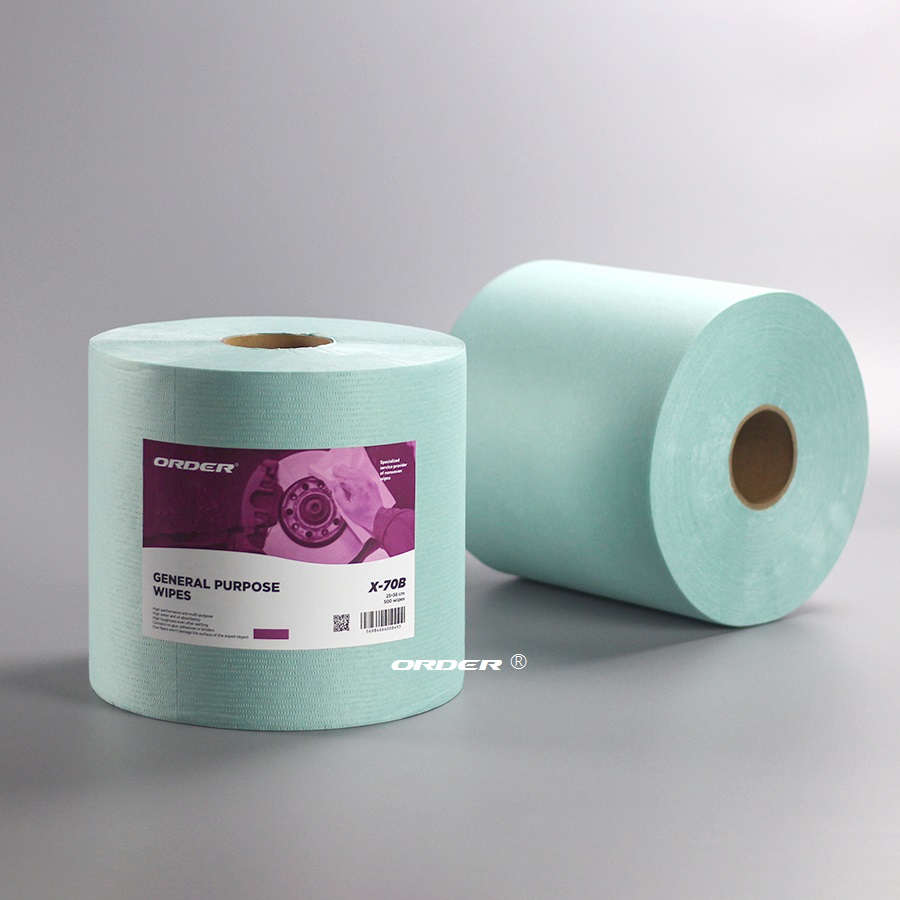
If you are interested in our products, please consult us

 contact us


 English
 日本語
日本語
 简体中文
简体中文