2026.02.02
 Blog
Blog
Content
In the realm of professional cleaning and maintenance, not all cloths are created equal. While generic rags and towels might suffice for everyday tasks, industries and activities demanding immaculate, scratch-free, and contaminant-free results rely on specialized tools. Among these, the ubiquitous blue leaning cloths have emerged as a global standard for precision work. Their distinctive blue hue is far from arbitrary; it is a visual signal of purpose, quality, and specific performance characteristics. These cloths are engineered to tackle challenges where traditional fabrics fail—such as leaving behind microscopic lint on camera sensors, introducing swirl marks on automotive clear coats, or spreading contaminants in a sterile laboratory. They are the go-to choice in sectors as diverse as automotive detailing, optical and electronics manufacturing, aerospace, healthcare, and commercial janitorial services. Understanding the nuances behind these blue leaning cloths—from their material composition and weave to their format and certifications—is essential for anyone seeking to achieve a truly professional-grade clean. This knowledge empowers users to select the exact tool for the job, optimizing results, protecting valuable surfaces, and improving operational efficiency, whether for a DIY enthusiast perfecting their car's finish or a procurement manager sourcing supplies for a cleanroom.
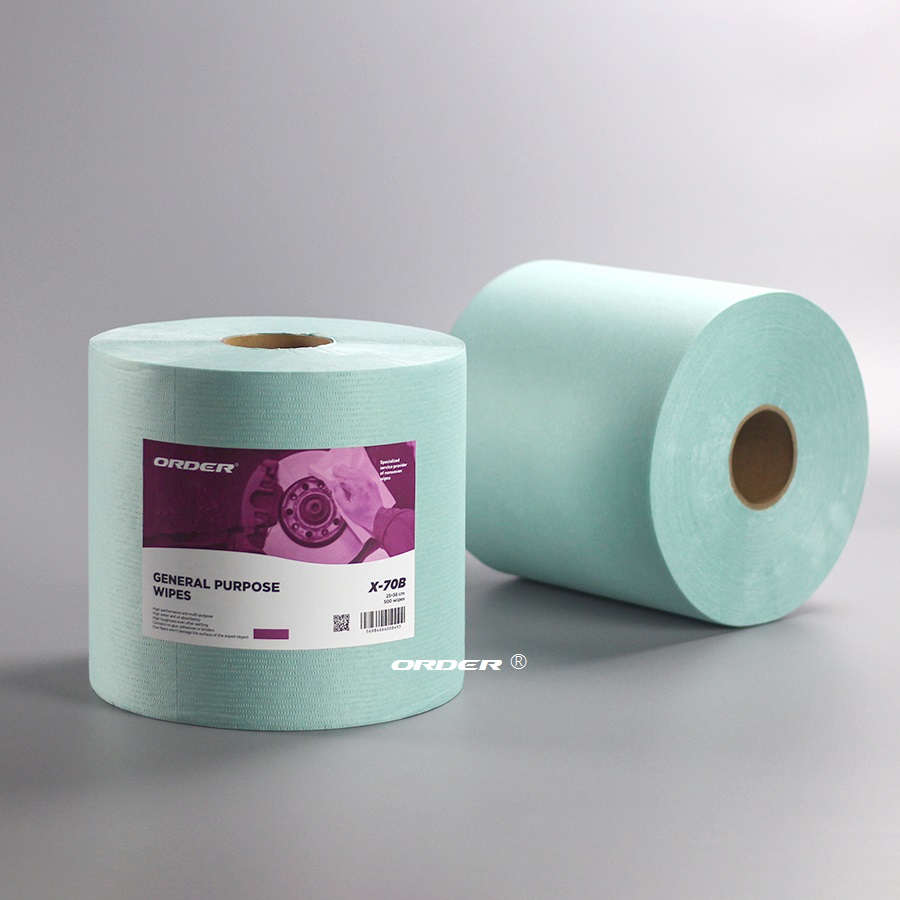
The effectiveness of a blue leaning cloth is a direct result of the synergy between its dye and its base material. The blue color is typically achieved using dyes that are low-linting and non-bleeding, ensuring they don't transfer color or add particulate contamination to the surface being cleaned. This is crucial in environments like electronics assembly or optics manufacturing. Beyond color, the material is the true engine of performance. The two primary champions in this category are high-quality, lint-free nonwoven fabrics and precision-engineered microfiber.
| Feature | Premium Nonwoven Cloth | Premium Microfiber Cloth |
| Primary Use Case | Heavy-duty wiping, spill clean-up, controlled environments (disposable) | Precision cleaning, polishing, drying (reusable) |
| Linting Potential | Very Low to None | Extremely Low (if high-quality and clean) |
| Key Strength | Absorbency, strength, consistency | Scratch-free cleaning, particle trapping |
| Cost Model | Disposable (cost per use) | Reusable (higher upfront, lower long-term) |
For achieving a showroom shine, the best blue microfiber cloths for car detailing are indispensable. In detailing, blue often signifies a dedicated-purpose cloth, such as one used exclusively for applying wax or buffing polish. The high-density, plush weave of a quality blue microfiber towel allows it to glide over clear coat, lifting contaminants into its fibers rather than grinding them across the surface. Their exceptional absorbency makes them perfect for streak-free drying. Professionals often use a multi-cloth method, with different shades of blue indicating specific roles (e.g., light blue for glass, darker blue for paint) to prevent cross-contamination that could induce scratches.
Cleaning eyeglasses, camera lenses, sunglasses, and electronic displays requires the utmost gentleness. A non-abrasive blue polishing cloth for glasses is specifically designed for this task. These cloths are typically made from an ultra-soft, nonwoven material or a very fine, low-nap microfiber. They are engineered to remove fingerprints and smudges without leaving behind the micro-scratches that can diffuse light and degrade image quality over time. The blue color provides a clear visual distinction from everyday dusting cloths, ensuring they are reserved for these sensitive tasks. Their construction often includes a slight texture or electrostatic properties to effectively grab dust particles before a polishing motion cleans the surface.
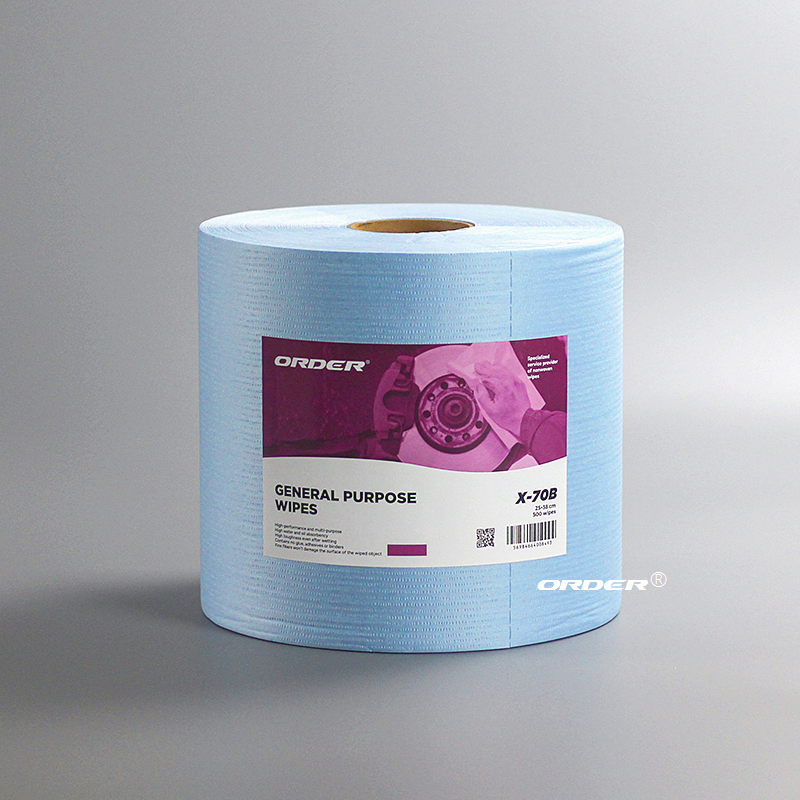
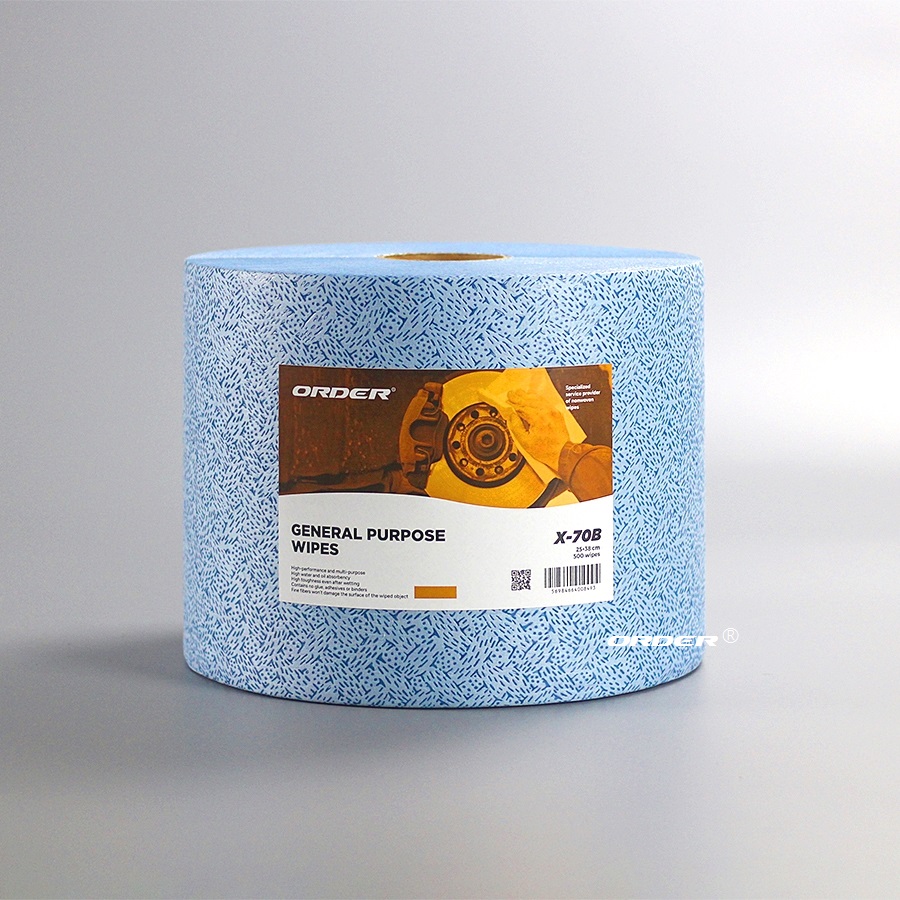
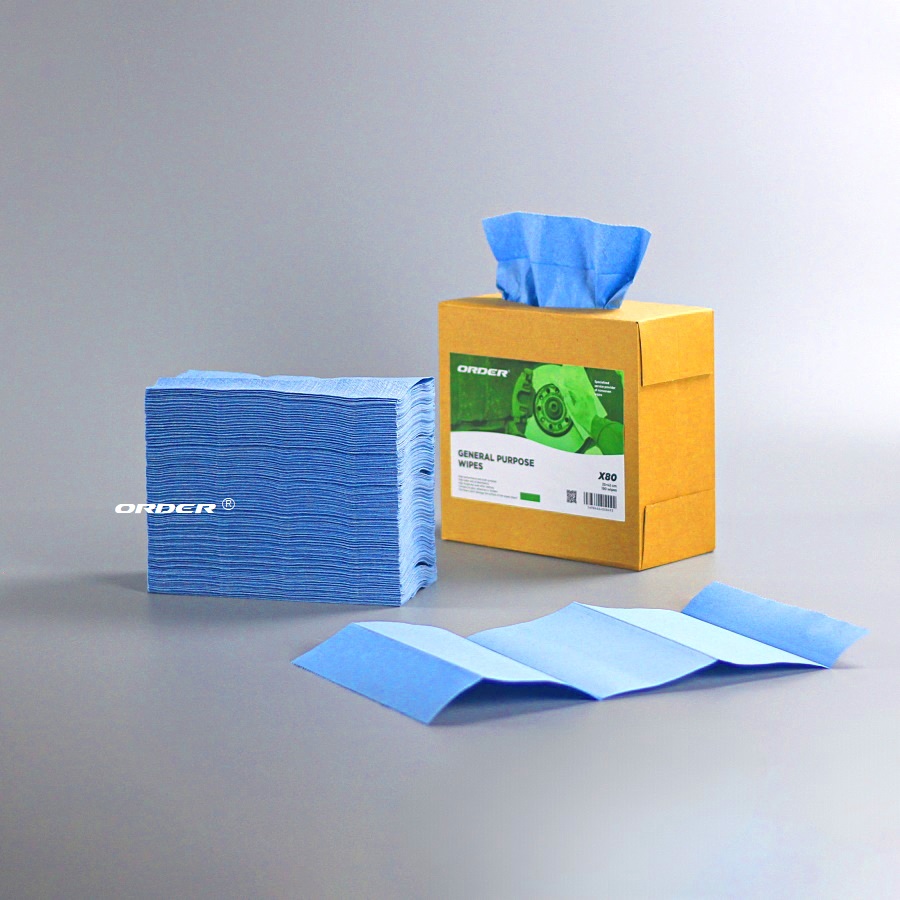
In workshops, machine shops, and maintenance facilities, efficiency and contamination control are key. Disposable blue industrial wipes are the workhorse solution. Made from strong, absorbent nonwoven material, they are designed to handle oils, coolants, adhesives, and heavy grime. Their disposable nature eliminates the cost and hassle of laundering heavily soiled rags, and it prevents the spread of contaminants from one job or machine to the next. The blue color stands out against metal shavings and most industrial fluids, making it easy for workers to see and properly dispose of used wipes, maintaining a cleaner and safer work environment.
For businesses, institutions, or serious enthusiasts, a blue lint-free cleaning cloth bulk buy is the most economical and sustainable procurement strategy. Bulk purchasing reduces per-unit cost, minimizes packaging waste, and ensures a consistent supply. When considering a bulk order, key evaluation criteria extend beyond price. One must assess the cloth's weight (grams per square meter, indicating density and absorbency), the material's compatibility with intended chemicals (e.g., isopropyl alcohol, solvents), and its validated lint-free performance. For facilities like cleanrooms or labs, certification documentation (IEST, etc.) is mandatory. Calculating the total cost of ownership includes factoring in the number of uses per cloth (for reusables) or the coverage per cloth (for disposables) to determine true value.
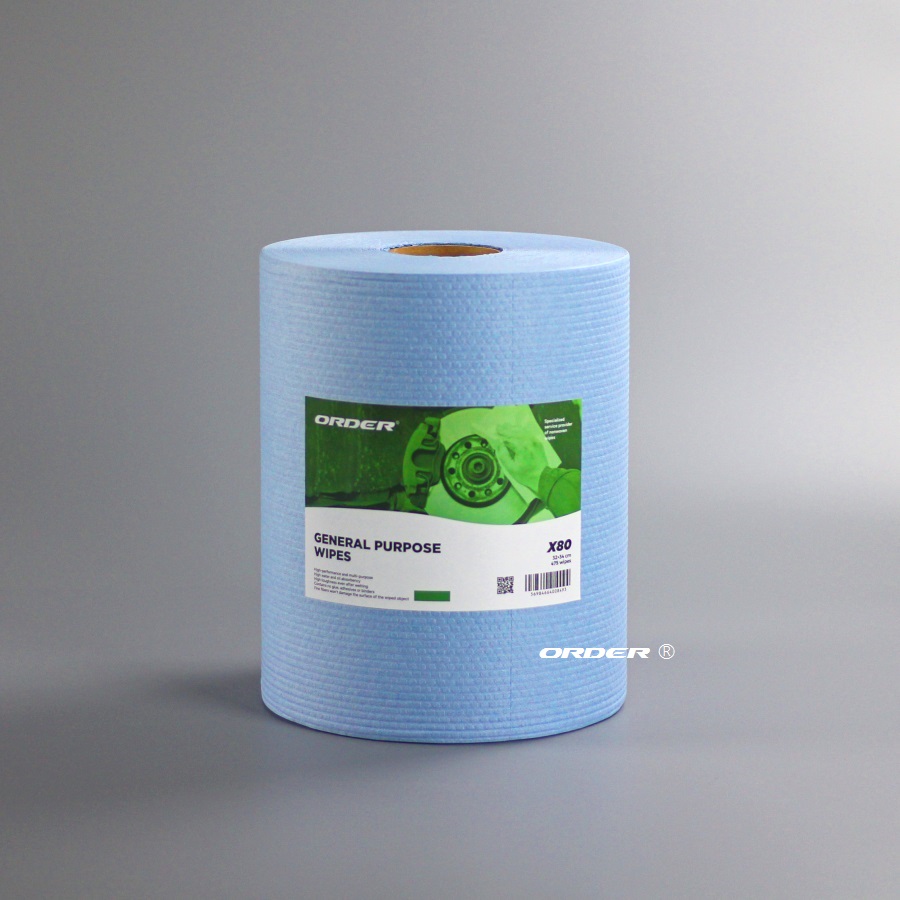
In commercial cleaning, hospitality, and large-scale food service, reusable blue cloth rolls for commercial cleaning offer a highly efficient system. These rolls consist of a continuous length of high-performance material (often a blended or microfiber fabric) that can be dispensed and torn off as needed. This format drastically reduces waste compared to pre-cut single-use wipes and allows custodial staff to take exactly the amount they need for a task. After use, the soiled cloths are collected, professionally laundered to a high hygienic standard, and returned to service. This system marries the performance of a specialized cloth with the economic and environmental benefits of reusability, making it a cornerstone of modern, sustainable commercial cleaning programs.
For professional users, trust is built on verifiable standards. High-performance blue leaning cloths often carry certifications that guarantee their suitability for sensitive applications. These may include ISO Class ratings (e.g., ISO Class 3 or 4) for particulate cleanliness, testing for low levels of extractable ions (like chlorides or sulfates) that could corrode electronics, and validation as being non-abrasive. Furthermore, the industry is rapidly embracing sustainable innovation. This includes developing blue leaning cloths made from recycled materials (like post-consumer plastic bottles transformed into microfiber) and truly biodegradable nonwoven options that break down efficiently after disposal, offering high performance without the environmental footprint of traditional synthetic materials.
Not all blue microfiber cloths are created equal for automotive use. While the search for the best blue microfiber cloths for car detailing often yields many options, critical factors differentiate them. For safe paint cleaning, you need a cloth with a high GSM (grams per square meter, indicating plushness), a folded and serged edge to prevent scratching from tags or seams, and a blend designed for paint (often a 70/30 polyester/polyamide mix). Cheap, low-density blue cloths can be abrasive and trap dirt, causing swirl marks. Always wash new microfiber cloths before first use to remove any manufacturing residues and use a dedicated cloth for paint, separate from those used for wheels or engines.
The term lint-free refers to a material's tendency to shed fibers or particulate matter during use. In a true lint-free cloth, the fibers are tightly bound within the fabric's structure. This is paramount in applications where even microscopic contamination is unacceptable, such as wiping optical lenses, cleaning sensitive electronic components like circuit boards or camera sensors, or in laboratory settings. Lint left behind can obstruct sensors, interfere with electrical connections, or compromise sterile environments. When sourcing a blue lint-free cleaning cloth, look for products that specify testing standards (like IEST-RP-CC004) to validate their low particulate claims.
The choice between disposable blue industrial wipes and reusable cloths depends on the nature of the mess and operational priorities. Disposable wipes excel in handling greasy, oily, chemically contaminated, or bio-hazardous spills where laundering would be difficult, unsafe, or could spread contaminants. They offer ultimate convenience and cross-contamination control. Reusable blue cloth rolls for commercial cleaning are more economical and sustainable for general dusting, wiping down tools, or cleaning up water-based spills. They work best in environments with an established laundry service. A hybrid approach is common: using disposables for heavy, specific messes and reusables for general maintenance.
Proper care is essential to maintain the performance of reusable blue leaning cloths, especially microfiber. Wash them separately from lint-producing fabrics like cotton towels. Use a mild, liquid detergent—avoid fabric softeners, bleach, and dryer sheets as they coat the fibers and destroy their absorbency and electrostatic properties. Wash in warm water and either air dry or tumble dry on a low heat setting. High heat can melt the microfibers. Periodically, a deep clean with a dedicated microfiber detergent can help restore absorbency by removing embedded oils and residues.
If you are interested in our products, please consult us

 contact us


 English
 日本語
日本語
 简体中文
简体中文