2026.02.09
 Blog
Blog
Content
In the highly specialized world of controlled environments, maintaining impeccable hygiene and sterility is not merely a goal but a fundamental requirement for operational success. A wiper cleanroom serves as one of the most critical tools in the battle against contamination, acting as the primary line of defense for surfaces, equipment, and delicate components. Unlike standard cleaning cloths found in households, these specialized wipes are engineered to meet rigorous standards for low particulate generation, high absorbency, and chemical compatibility. Whether used in semiconductor manufacturing, biotechnology labs, or aerospace assembly, the integrity of a cleanroom relies heavily on the quality of the consumables used within it. Selecting the appropriate wiping material is a strategic decision that impacts yield, safety, and regulatory compliance. As industries evolve towards higher precision, the demand for advanced, reliable, and technically superior wiping solutions continues to rise, making it essential for procurement managers and facility operators to understand the nuances of cleanroom consumables.
The term wiper cleanroom encompasses a wide variety of products designed to remove contaminants without introducing new ones. These wipes are subjected to strict manufacturing processes, often involving laser cutting, ultrasonic sealing, and washing in ultra-pure water (Class 0.1 or better). The fundamental purpose of these wipes is to attract and retain particles, liquids, and residues. The effectiveness of a wipe is determined by its material composition, construction method, and cleanliness level. Common materials include polyester, cellulose, polypropylene, and blended nonwovens, each offering distinct advantages regarding softness, abrasion resistance, and chemical absorbency. Understanding the specific requirements of one's environment—such as the required ISO classification or the specific chemicals used—is the first step in selecting the right product.
Contamination control in a cleanroom is a systematic approach to minimizing the introduction, generation, and retention of particulate matter. A wiper cleanroom is a central component of this system. When used correctly, it physically removes biological and inorganic contaminants from surfaces. However, the wipe itself can be a source of contamination if it generates lint or fibers. Therefore, high-performance wipes are designed with a continuous filament structure or are laundered multiple times to minimize loose fibers. This ensures that the cleaning process itself does not compromise the environment, which is critical in industries like semiconductor fabrication where a single microscopic particle can ruin a circuit.
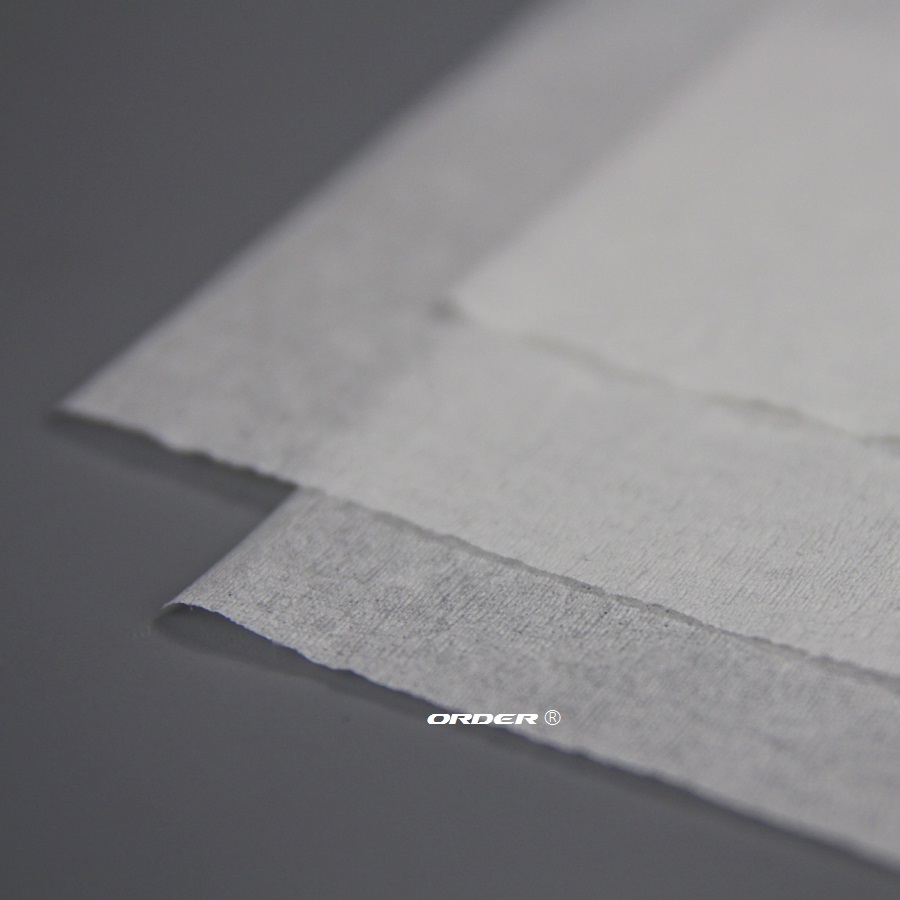
The performance of a wiper cleanroom is largely dictated by the fibers used in its construction. Different materials offer different levels of absorbency, strength, and cleanliness.
| Material | Absorbency | Lint Generation | Chemical Resistance | ||||
| 100% Polyester | Low to Medium | Very Low | Polyester/Cellulose | High | Low | Nonwoven Polypropylene | Knitted Cotton |
The electronics industry, particularly semiconductor and hard disk drive manufacturing, demands the highest standards of cleanliness. A cleanroom wiper for electronics is specifically engineered to address the unique challenges of this sector. These wipes must be free of ionic contaminants and non-volatile residues (NVR) that can leave films on circuit boards or wafers. Furthermore, they must possess antistatic properties to prevent Electrostatic Discharge (ESD), which can instantly destroy sensitive microchips. The manufacturing process for these wipes often includes multiple washing cycles in deionized water and testing to ensure they meet the stringent particle counts required for cleanrooms rated ISO Class 4 or cleaner. The consistency of the wipe is paramount, as even a single microscopic defect can lead to product failure.
Static electricity is a major threat in electronics assembly. A cleanroom wiper for electronics often incorporates carbon fibers or is treated with antistatic agents to dissipate charges safely. This prevents the wipe from attracting charged particles to the surface being cleaned and protects the component from damage during the wiping process. The ability to neutralize static quickly ensures that particles are picked up and held by the wipe rather than being attracted back to the surface or scattered into the air.
Electronics manufacturing often involves the use of aggressive solvents like isopropyl alcohol (IPA) and acetone. A specialized cleanroom wiper for electronics must be strong enough to withstand these solvents without degrading or leaving residue behind.
| Solvent | Best Wiper Material | Precaution | |
| Isopropyl Alcohol (IPA) | Acetone | Deionized Water | Flux Remover |
Cleanrooms are classified based on the maximum allowable number of particles per cubic meter of air. An ISO 5 cleanroom wiper is certified for use in environments that allow a maximum of 100,000 particles per cubic meter (for particles 0.1um and larger). These wipes are subjected to rigorous testing protocols, such as IEST-RP-CC004, to measure their particulate release both in dry and wet conditions. Using a wipe in an ISO 5 environment that has not been certified for that class can lead to excessive particle counts, resulting in failed audits and costly downtime. These wipes are typically laser-cut to seal the edges, preventing the fraying that occurs with traditional knife-cutting methods. The certification process ensures that the product performs consistently, providing facility managers with the confidence needed to maintain their cleanroom certification.
Compliance is a driving force in the selection of an ISO 5 cleanroom wiper. Regulatory bodies in pharmaceutical and medical device manufacturing require documented proof that all materials used in the cleanroom are fit for purpose. High-grade wipes come with certificates of analysis (COA) and certificates of irradiation, if sterilized. These documents verify that the product has been tested for bioburden, endotoxins, and particle counts. Maintaining a library of these documents is essential for audits and regulatory inspections, ensuring that the facility adheres to Good Manufacturing Practices (GMP).
Not all cleanroom wipes are created equal. An ISO 5 cleanroom wiper must demonstrate low particle generation to be effective in a controlled environment.
| Cleanroom Class | Max Particles (0.5um) | ISO 3 (Class 1) | ISO 4 (Class 10) | ISO 5 (Class 100) | ISO 6 (Class 1000) |
Polyester is the gold standard material for critical environment cleaning, and polyester cleanroom wipes are ubiquitous in high-tech manufacturing. The primary reason for this popularity is the material's low-linting characteristics. Polyester fibers are strong and abrasion-resistant, meaning they do not shed particles as easily as natural fibers. Furthermore, polyester has excellent chemical resistance and can withstand autoclaving and other sterilization methods without degrading. These wipes are often available in a "cleaned and packaged" state, where they have been laundered multiple times to reduce particle and extractable levels. Their durability makes them ideal for cleaning rougher surfaces where other wipes might snag and release fibers.
The durability of polyester cleanroom wipes translates directly to cost-effectiveness and safety. Because they are strong, they can withstand rigorous scrubbing motions without tearing. This resilience means that the wipe does not become a source of contamination during the cleaning process. The smooth surface of polyester fibers also facilitates the pickup of particles, ensuring that contaminants are encapsulated within the cloth rather than being pushed across the surface. For cleanroom managers, this consistency reduces the risk of defects and improves overall cleaning efficiency.
A key advantage of polyester cleanroom wipes is their thermal stability. They can be sterilized by dry heat or autoclave, making them suitable for aseptic processing areas.
| Feature | Benefit | Application | |
| Laser Cut Edges | High Strength | Low Extractables | Chemical Resistance |
In environments where static sensitivity is a major concern, anti-static cleanroom wipes are indispensable. These wipes are designed to dissipate electrostatic charges, preventing the attraction of dust particles and the damaging effects of ESD. They are typically constructed by incorporating a small percentage of conductive carbon fibers into the polyester blend or by treating the surface with a permanent antistatic agent. This ensures that the wipe has a controlled surface resistance, generally in the dissipative range (10^6 to 10^9 ohms/square). Using these wipes in electronic manufacturing, explosives handling, or sensitive optics facilities significantly reduces the risk of product failure due to static discharge or particulate attraction.
The primary function of anti-static cleanroom wipes is to mitigate the risks associated with Electrostatic Discharge (ESD). ESD can cause latent defects in semiconductors that may not be detected immediately but cause premature failure later in the product's life. By using wipes that actively dissipate charge, technicians ensure that the wiping process itself does not generate dangerous voltage spikes. This is particularly important in dry environments where static electricity accumulates rapidly. The use of antistatic wipes is part of a broader ESD control program (ECP) that includes flooring, garments, and wrist straps.
When selecting anti-static cleanroom wipes, it is important to understand the difference between conductive and dissipative materials.
| Type | Surface Resistance (Ohms) | Antistatic | Static Dissipative | Conductive | Insulative |
The defining characteristic of a lint-free cleanroom wiper is its ability to clean without leaving fibrous residues behind. Lint is a major source of contamination that can clog filters, jam machinery, and compromise the purity of pharmaceutical products. Achieving a truly lint-free state requires high-quality synthetic fibers and advanced manufacturing techniques such as laser cutting or knife-less slitting. While no wipe is absolutely free of particles, low-lint wipes are tested to ensure they release negligible amounts of fibers. These are essential in cleanrooms where particle counts are monitored continuously. The lint-free cleanroom wiper provides the assurance that the cleaning process enhances the environment's cleanliness rather than detracting from it.
To produce a lint-free cleanroom wiper, manufacturers must control every aspect of the production process. This begins with the selection of high-quality continuous filament yarns that have minimal weak points. The fabric is then knitted or nonwoven into a stable matrix. Crucially, the cutting process must be non-invasive. Laser cutting seals the edges with heat, fusing the fibers together so they cannot unravel. Even the packaging is done in a cleanroom environment to prevent the wipes from being contaminated before they reach the customer. This attention to detail ensures that when the pack is opened, the product is ready for immediate use in the most sensitive areas.
The lint-free cleanroom wiper market is divided into single-use disposable wipes and reusable laundered wipes.
| Option | Cost | Disposable | Laundered | Pre-saturated | Dry |
Suzhou Order Cleanroom Material Co., Ltd. stands as a technology-driven enterprise established in 2006, deeply rooted in the research, development, production, and sales of nonwoven fabric cleaning wiping products. Headquartered in Suzhou City, the company operates from a 12,000-square-meter modern production base that has passed strict quality management system certifications. Their products have obtained multiple authoritative certifications, enabling a service network that spans over 30 countries worldwide. They provide professional wiping solutions for industrial manufacturing, electronics and optoelectronics, medical care, and catering services. The company focuses on innovation and customized production, offering differentiated high-quality products and services to high-end global customers. Their core advantage stems from deep technical accumulation and quality cultivation.
Through a sophisticated digital management system, Suzhou Order Cleanroom Material Co., Ltd. ensures full-process quality control from raw materials to finished products, adhering to "high standards and refinement" as core principles. Relying on clean workshops, intelligent equipment, and professional technical teams, the company adopts modular product design and flexible production capabilities. They have built a comprehensive R&D system that ranges from fiber selection to end products. This rigorous approach guarantees that their polyester cleanroom wipes and other products meet the exacting standards of industries like semiconductor manufacturing and medical care, where purity is non-negotiable.
The company supports OEM/ODM customization services, offering flexible options for various forms such as flat cutting, folding, pulling, rolling, and die-cutting. They also provide in-depth customization of size, packaging, and functions, thereby forming a localized substitution advantage over international brands. With 20 years of industry experience, they have established long-term cooperation with enterprises in multiple countries and regions.
| Service | Description | Benefit | |
| OEM/ODM | Custom Cutting | Sustainability | Quality Assurance |
Committed to promoting sustainable development in the cleaning industry, Suzhou Order Cleanroom Material Co., Ltd. actively develops eco-friendly processes. Their product line includes high-performance lint-free cleanroom wiper options designed to meet rigorous industrial needs while considering environmental impact. The company will continue to drive innovation and technological advancement to help global customers enhance their commercial sales and quality competitiveness. By integrating a cleanroom wiper for electronics expertise with advanced manufacturing, they provide solutions that are both technically superior and commercially viable.
An ISO 5 cleanroom wiper is manufactured, packaged, and tested to meet strict particle generation standards suitable for ISO Class 5 environments. Unlike standard wipes, which are often made of cotton or paper and shed significant lint, ISO 5 wipes are typically made of polyester or polypropylene, feature laser-cut edges to prevent fraying, and undergo rigorous cleaning and testing to ensure they do not introduce contaminants into the controlled environment.
Yes, most high-quality polyester cleanroom wipes are capable of withstanding autoclaving and other high-temperature sterilization processes. Polyester is inherently heat resistant, which means it can endure the high temperatures and steam of an autoclave without melting or degrading. However, it is always recommended to check the specific manufacturer's specifications regarding maximum temperature tolerance and durability to ensure the wipes maintain their structural integrity and low-lint properties after sterilization.
Anti-static cleanroom wipes are essential in electronics manufacturing because they prevent the buildup and discharge of static electricity. Standard wipes can generate static charges through friction (triboelectric charging), which can attract dust particles to the cleaned surface or cause Electrostatic Discharge (ESD) damage to sensitive electronic components. Antistatic wipes are made from materials that dissipate charges safely, ensuring the surface remains clean and static-free.
Choosing the right cleanroom wiper for electronics involves considering the specific ISO classification of your cleanroom, the types of solvents used, and the sensitivity of the components. For semiconductor manufacturing, you typically need a laser-cut, low-lint polyester wipe. For general assembly, a nonwoven polypropylene wipe may suffice. Additionally, if you are working with sensitive chips, you must select an antistatic or conductive wipe. Finally, consider if you need pre-saturated wipes for chemical application or dry wipes for general maintenance.
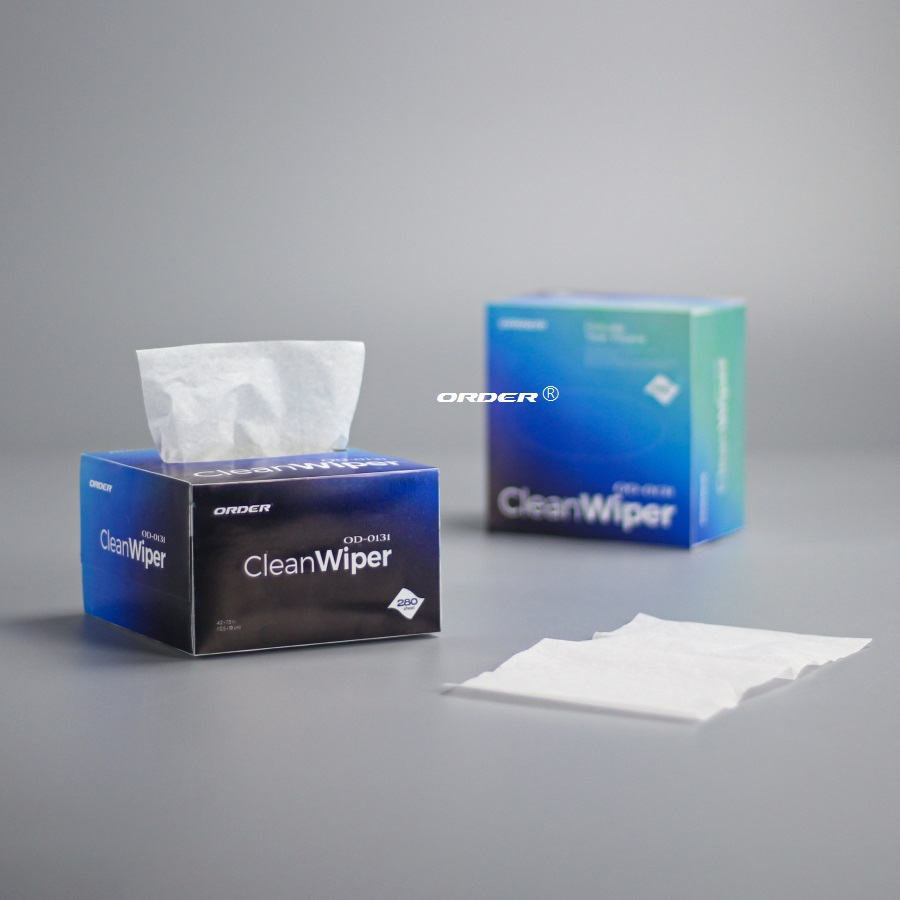
If you are interested in our products, please consult us

 contact us


 English
 日本語
日本語
 简体中文
简体中文