2026.01.15
 Blog
Blog
Content
In the rapidly evolving landscape of modern skincare, the demand for efficiency without compromising quality has never been higher. Consumers today are constantly seeking solutions that fit seamlessly into their fast-paced lifestyles while adhering to strict standards of hygiene and dermatological health. This is where clean face wipes have carved out a significant niche, offering a versatile and convenient option for maintaining a clear complexion. Unlike traditional cleansing methods that require water, a sink, and multiple products, face wipes provide a streamlined approach to skincare that is particularly valuable for individuals with busy schedules, frequent travelers, or fitness enthusiasts. However, the market is saturated with options ranging from harsh, alcohol-laden pads to luxurious, dermatologist-approved formulas. Understanding the nuances of these products is essential for selecting the right wipe that not only removes impurities but also nourishes and protects the skin barrier. As a professional manufacturer dedicated to high-quality skincare solutions, we prioritize the development of wipes that balance efficacy with skin health, ensuring that every use contributes to a radiant and healthy dermis.
The cornerstone of an effective skincare regimen lies in understanding the specific needs of one's skin type. For a significant portion of the population, sensitivity is a daily reality, characterized by redness, itching, and a tendency to react adversely to harsh chemicals. This demographic must be particularly vigilant about the products they use. Gentle face wipes for sensitive skin are specifically formulated to mitigate these risks. Typically, these wipes are free from common irritants such as alcohol, parabens, and synthetic fragrances. Instead, they rely on soothing ingredients like aloe vera, chamomile, and cucumber extract to calm inflammation while cleansing. By using ultra-soft substrates that minimize friction, these wipes ensure that the cleansing process does not compromise the skin's natural moisture barrier, which is often already compromised in sensitive skin types.
Furthermore, the concept of safety in skincare extends beyond mere gentleness to include allergen management. Hypoallergenic face wipes undergo rigorous testing to minimize the risk of allergic reactions. This term implies that the product has been formulated to exclude ingredients known to cause sensitivities in most individuals. For manufacturers, this involves a meticulous selection of raw materials and a commitment to avoiding unnecessary additives. The focus is on purity and simplicity. When we develop hypoallergenic formulations, our goal is to provide a product that is safe for the whole family, including those with conditions like eczema or rosacea. By prioritizing non-comedogenic ingredients that do not clog pores, these wipes offer a safe passage to clear skin without the fear of breakouts or irritation.
To assist in distinguishing between different formulations based on skin needs, the following table compares standard cleaning wipes with specialized options designed for sensitive and hypoallergenic requirements.
| Feature | Standard Cleansing Wipes | Hypoallergenic/Sensitive Wipes |
| Fragrance | Fragrance-Free or natural essential oils | |
| Alcohol Content | None (Alcohol-free) | |
| Texture | Standard polyester blend | Ultra-soft Cotton or Bamboo blend |
| pH Level | Varies (often higher) |
As global awareness regarding environmental sustainability grows, the skincare industry is under increasing pressure to address the ecological footprint of disposable products. Traditionally, wet wipes have been scrutinized for containing non-biodegradable plastics that persist in landfills and contribute to pollution. In response to this challenge, the industry has seen a surge in the development of biodegradable face wipes. These innovative products are crafted from natural fibers, such as plant-based cellulose, cotton, or bamboo, which are capable of breaking down naturally when composted. The shift towards biodegradability does not represent a compromise in performance; modern manufacturing techniques ensure that these plant-based materials possess the same strength, durability, and wet-strength as their synthetic counterparts. By choosing biodegradable options, consumers can enjoy the convenience of single-use cleansing without the associated environmental guilt, aligning their personal care habits with their values regarding planetary stewardship.
Diving deeper into material science, the source of the fiber plays a pivotal role in both the environmental impact and the user experience. Organic cotton face wipes represent the gold standard in sustainable skincare textiles. Unlike conventional cotton, which is often grown with heavy pesticide use, organic cotton is cultivated using natural methods that prioritize soil health and biodiversity. From a tactile perspective, organic cotton is incredibly soft and highly absorbent, making it ideal for facial use. It glides smoothly across the skin, effectively picking up makeup, dirt, and oil without causing micro-tears or irritation. As a manufacturer, we have observed a growing preference for organic cotton among discerning consumers who are willing to invest in premium quality that offers superior comfort and peace of mind. The transition to organic materials is not just a trend but a fundamental shift towards more ethical and skin-friendly production practices.
The table below provides a detailed comparison of various materials used in sustainable face wipes to help consumers make informed choices.
td>td>td>td>
| Material | Biodegradability | Skin Feel | Environmental Note |
| Organic Cotton | Extremely Soft and natural | Low water footprint compared to standard cotton | |
| Bamboo Fiber | Silky smooth | Fast-growing, regenerates naturally | |
| Polyester/Plastic Blend | No (Persists in environment) | Derived from petroleum, non-renewable | |
| Wood Pulp (Viscose) | Yes | Sustainable forestry required |
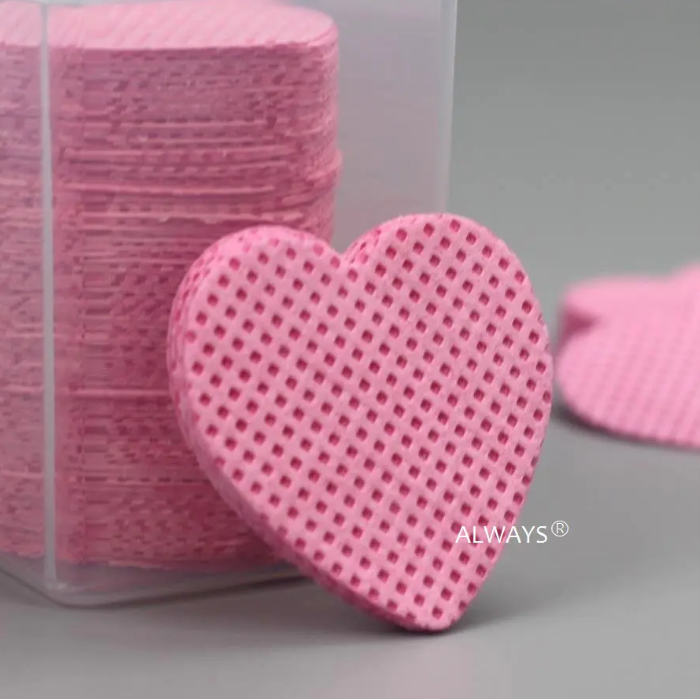
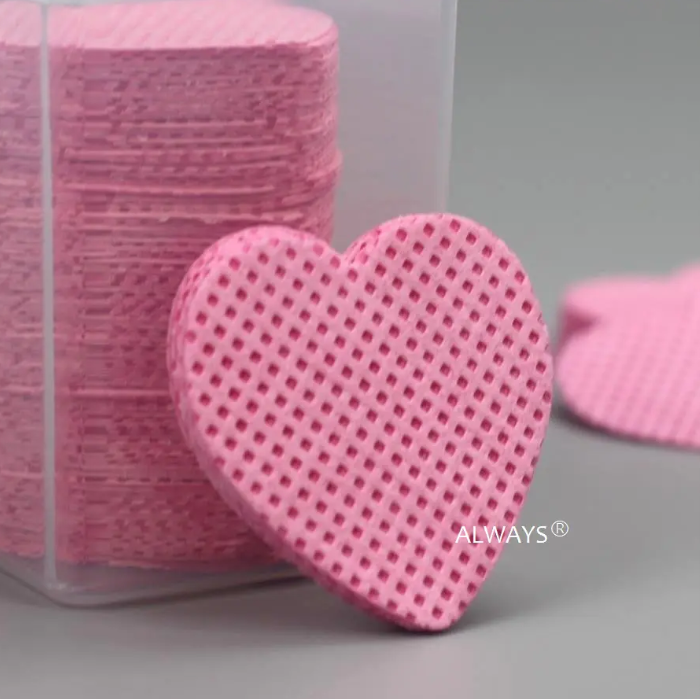
While convenience is a major selling point, the primary function of a face wipe is to clean. Modern consumers are multifaceted; they need a product that can handle the heavy lifting of removing waterproof mascara and long-wear foundation after a long day, as well as a quick refresh after a gym session. Deep cleansing face wipes are engineered to tackle these challenges. They are often textured with a quilted or mesh pattern that physically lifts away dirt and oil from the pores, while the cleansing solution dissolves impurities on a molecular level. These wipes are particularly effective for removing pollution particles that adhere to the skin throughout the day, which is essential for preventing premature aging and dullness. The efficacy of a deep cleansing wipe lies in its ability to balance thorough cleaning with a "no-rinse" finish, leaving the skin feeling clean but not tight or stripped.
Integrating these wipes into a daily routine requires understanding the difference between a "cleanse" and a "refresh." While clean face wipes are excellent for makeup removal and evening cleansing, they are equally valuable in the morning. However, dermatologists often caution against replacing traditional water-based cleansing entirely, especially for double-cleansing protocols. Nevertheless, for active lifestyles, the utility of wipes is unmatched. Our manufacturing process focuses on ensuring the formula is saturated enough to last for a full face cleanse, ensuring that no corner of the face is left untreated. We also emphasize the importance of sealing the package properly after use to prevent the wipes from drying out, a common issue that affects consumer satisfaction. By addressing these practical details, we ensure our products deliver on the promise of efficiency and cleanliness every single time.
To illustrate the differences in usage, the following table compares the requirements for evening heavy-duty cleaning versus daytime refreshing applications.
td> td>td>td> td>td>
| Application | Recommended Type | Primary Function | Key Ingredients |
| Evening / Makeup Removal | |||
| Morning / Refresh | Hydrating / Soothing Wipes | Vitamin C, Green Tea, Light humectants | |
| Post-Gym | Charcoal, Tea Tree Oil, Menthol (cooling) | ||
| Sensitive Skin | Cleanse without irritation | Colloidal Oatmeal, Water, Mild surfactants |
In summary, the selection of the right facial cleansing product is a nuanced decision that impacts both personal health and environmental well-being. Clean face wipes have evolved significantly from their early iterations, now offering sophisticated solutions that cater to specific skin types and ethical standards. Whether one requires the soothing touch of gentle face wipes for sensitive skin, the safety of hypoallergenic face wipes, or the rigorous cleaning power of deep cleansing face wipes, the market provides viable options. Furthermore, the shift towards biodegradable face wipes and materials like organic cotton face wipes demonstrates the industry's commitment to sustainability. As a manufacturer, we remain dedicated to innovation, ensuring that our products not only meet but exceed the expectations of the modern consumer, delivering purity, convenience, and care in every sheet.
Yes, biodegradable face wipes are significantly better for the environment than traditional synthetic wipes. While traditional wipes made from polyester or plastic blends can take decades or even centuries to decompose in landfills, biodegradable options are made from natural fibers like cotton, bamboo, or wood pulp. These materials break down much faster, returning to the earth without leaving behind harmful microplastics. However, it is important to check packaging certifications to ensure the wipes meet established composting standards.
While clean face wipes are highly effective for on-the-go cleansing and makeup removal, dermatologists generally recommend using them as a supplement rather than a complete replacement for traditional washing, especially in the evening. While deep cleansing face wipes remove surface dirt and makeup effectively, they may not be as effective at clearing deep pores as water-based cleansing. However, using them daily is generally safe for most skin types, provided you choose a formula that matches your skin's needs and does not cause dryness or irritation.
Hypoallergenic face wipes are formulated specifically to minimize the risk of allergic reactions. This means they exclude common irritants such as strong fragrances, alcohol, parabens, and harsh sulfates. Instead, they use mild, skin-neutral ingredients and undergo rigorous testing to ensure they do not trigger sensitivities. These wipes are ideal for people with eczema, rosacea, or easily reactive skin, providing a safe way to cleanse without triggering inflammation.
Choosing organic cotton face wipes offers benefits both for your skin and the planet. Organic cotton is grown without the use of toxic pesticides, synthetic fertilizers, or genetically modified organisms (GMOs), reducing the chemical load on the soil and waterways. For the user, this means the wipe is free from potentially irritating chemical residues that can remain on conventionally grown cotton. Additionally, organic cotton fibers are naturally softer and highly absorbent, providing a gentler, more luxurious cleansing experience that is less likely to cause friction burns or irritation.
Yes, face wipes do expire. Because they contain water and are kept in a moist environment, they are susceptible to bacterial and mold growth once the preservatives in the solution break down. Most clean face wipes have a shelf life of approximately 2 to 3 years if the package remains sealed. Once opened, they should be used within a certain timeframe (usually specified by the manufacturer, often 3-6 months) and the packaging must be resealed tightly after each use to prevent them from drying out or becoming contaminated.
If you are interested in our products, please consult us

 contact us


 English
 日本語
日本語
 简体中文
简体中文