2026.03.18
 Blog
Blog
Content
In the modern skincare industry, clean face wipes have become a staple for consumers seeking convenience without compromising hygiene. These products are essentially nonwoven fabrics saturated with a cleansing solution. The performance of a wipe depends heavily on two factors: the substrate material and the chemical formulation. For B2B buyers and manufacturers, understanding the interaction between the fabric texture and the liquid preservatives is critical. High-quality wipes use advanced spunlace nonwoven fabrics, which offer high tensile strength and a soft hand feel. This ensures that the wipe does not leave fibers on the skin during use. The formulation must remain stable over the product's shelf life, preventing microbial growth while maintaining skin compatibility.
Selecting the correct product specification is vital for targeting specific market segments. Different skin types require distinct formulations to prevent irritation and ensure effective cleansing.
Formulating face wipes for sensitive skin requires the exclusion of common irritants such as parabens, sulfates, and strong fragrances. The substrate must be exceptionally soft to minimize mechanical friction on the skin barrier. Technically, manufacturers often incorporate soothing agents like aloe vera or chamomile extract into the lotion. The pH level of the solution should be balanced to match the natural skin mantle, typically between 4.5 and 5.5. This reduces the risk of dermatitis and maintains the skin's protective acid mantle. For sensitive applications, hypoallergenic testing is a standard requirement to validate safety claims.
Alcohol free face wipes are essential for users with dry or compromised skin barriers. While alcohol is an effective preservative and provides a cooling sensation, it can strip natural oils from the skin. This leads to dryness and potential irritation. By utilizing alternative preservative systems, manufacturers can produce wipes that cleanse without dehydrating the skin. These products are particularly important for the pediatric and elderly care markets, where skin sensitivity is higher. The absence of alcohol also reduces the risk of stinging when the product is applied to micro-abrasions or sensitive eye areas.
| Feature | Alcohol-Based Wipes | Alcohol Free Face Wipes |
| Drying Effect | Rapid evaporation, can dry skin | Hydrating or neutral effect |
| Skin Sensation | Cooling, potential stinging | Soothing, mild |
| Best Use Case | Antiseptic needs, oily skin | Daily cleansing, sensitive skin |
Fragrances are among the top causes of allergic contact dermatitis. Unscented face wipes eliminate this risk by removing synthetic perfumes from the formulation. This is a technical distinction from "fragrance-free," as some unscented products may contain masking agents to neutralize the odor of raw materials. For industrial buyers, sourcing truly fragrance-free materials ensures compliance with strict dermatological standards. This product line is increasingly popular in clinical settings and for consumers pursuing a "clean beauty" lifestyle. The focus remains purely on the functional efficacy of the cleansing ingredients.
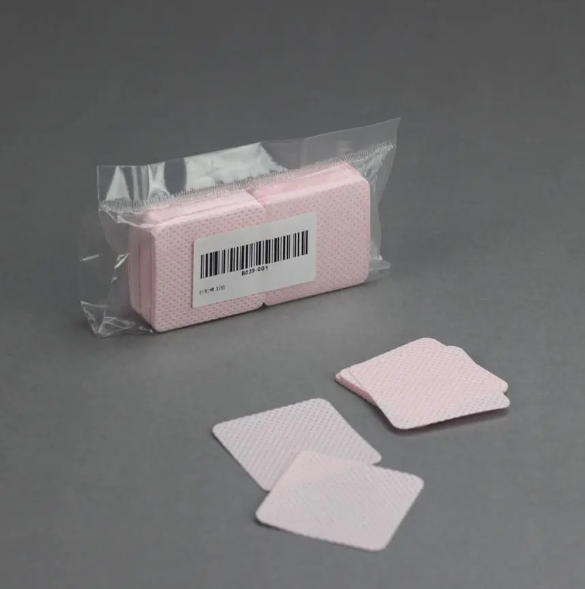
Sustainability is a driving force in the nonwoven industry. Traditional wet wipes often contain plastic fibers like polyester, which contribute to microplastic pollution.
To address environmental concerns, the market has seen a significant shift toward biodegradable face wipes. These products utilize plant-based fibers such as viscose, wood pulp, or bamboo. These materials break down naturally in the environment, reducing landfill burden. For manufacturers, the challenge lies in maintaining the wet strength of the wipe while using biodegradable materials. Advanced bonding technologies, such as hydroentanglement, allow these natural fibers to form durable fabrics without the need for synthetic binders. This innovation meets the demand for eco-friendly products without sacrificing performance.
| Material Type | Traditional Polyester Wipes | Biodegradable Face Wipes |
| Raw Material Source | Petroleum-based | Plant-based (Wood pulp, Viscose) |
| Decomposition Time | Decades to centuries | Weeks to months (composting conditions) |
| Environmental Impact | Microplastic generation | Low carbon footprint |
Consistency in quality is the hallmark of a reliable manufacturer. Suzhou Order Cleanroom Material Co., Ltd. established in 2006 and headquartered in Suzhou City, is a technology-driven enterprise specializing in the research, development, production, and sales of nonwoven fabric cleaning wiping products. The company owns a 12,000-square-meter modern production base and has passed the quality management system certification. Its products have obtained multiple authoritative certifications, and its service network spans over 30 countries worldwide. It provides professional wiping solutions for industrial manufacturing, electronics and optoelectronics, medical care, and catering services.
The company focuses on innovation and customized production of nonwoven wiping products, offering differentiated high-quality products and services to high-end global customers. The core advantage of the enterprise stems from its technical accumulation and quality cultivation. Through a digital management system, it ensures full-process quality control from raw materials to finished products, adhering to "high standards and refinement" as core principles. Relying on clean workshops, intelligent equipment, and professional technical teams, the company adopts modular product design and flexible production capabilities to build a comprehensive R&D system from fiber selection to end products.
It supports OEM/ODM customization services, offering flexible options for various forms such as flat cutting, folding, pulling, rolling, and die-cutting, as well as in-depth customization of size, packaging, and functions, thereby forming a localized substitution advantage over international brands. With 20 years of industry experience, the company has established long-term cooperation with enterprises in multiple countries and regions worldwide. Through the development of eco-friendly processes and biodegradable materials, it promotes sustainable development in the cleaning industry.
While traditional face washing with water and cleanser is effective, disposable face cleansing cloths offer a hygienic, single-use alternative. They are pre-moistened with a precise dose of active ingredients, ensuring consistent application every time. In professional settings or travel scenarios, they eliminate the need for rinsing and reduce the risk of cross-contamination associated with reusable towels. The convenience factor is a significant selling point for modern, fast-paced lifestyles.
| Comparison Factor | Traditional Washing | Disposable Face Cleansing Cloths |
| Convenience | Requires water, towel, cleanser | All-in-one, ready to use |
| Hygiene | Reused towels can harbor bacteria | Single-use, sterile packaging |
| Environmental Impact | Water consumption | Waste generation (mitigated by biodegradables) |
Choosing the right clean face wipes involves a balance of skin benefits, material science, and environmental responsibility. Whether the priority is sensitivity, alcohol-free formulations, or biodegradable materials, professional manufacturing ensures product safety and efficacy. By partnering with experienced manufacturers like Suzhou Order Cleanroom Material Co., Ltd., brands can deliver high-quality solutions that meet global standards.
Yes, modern biodegradable face wipes use advanced spunlace technology that entangles plant fibers tightly. This provides excellent tensile strength and durability comparable to traditional synthetic wipes, ensuring they do not tear during use.
Alcohol free face wipes are generally safer for babies and young children. They cleanse without stripping natural oils or causing stinging. However, parents should always check for other potential irritants in the ingredient list.
This sensation is often caused by alcohol or certain preservatives in the formula. Switching to unscented face wipes or those formulated for sensitive skin can prevent this reaction by avoiding harsh chemical irritants.
To prevent the cleaning solution from evaporating, disposable face cleansing cloths should be stored in a cool, dry place away from direct sunlight. Ensuring the package is sealed tightly after opening is crucial for maintaining moisture.
Scented wipes contain added fragrances for a pleasant smell, while unscented face wipes do not have a noticeable scent. Unscented options are recommended for individuals with allergies or skin sensitivities to minimize the risk of irritation.
If you are interested in our products, please consult us

 contact us


 English
 日本語
日本語
 简体中文
简体中文